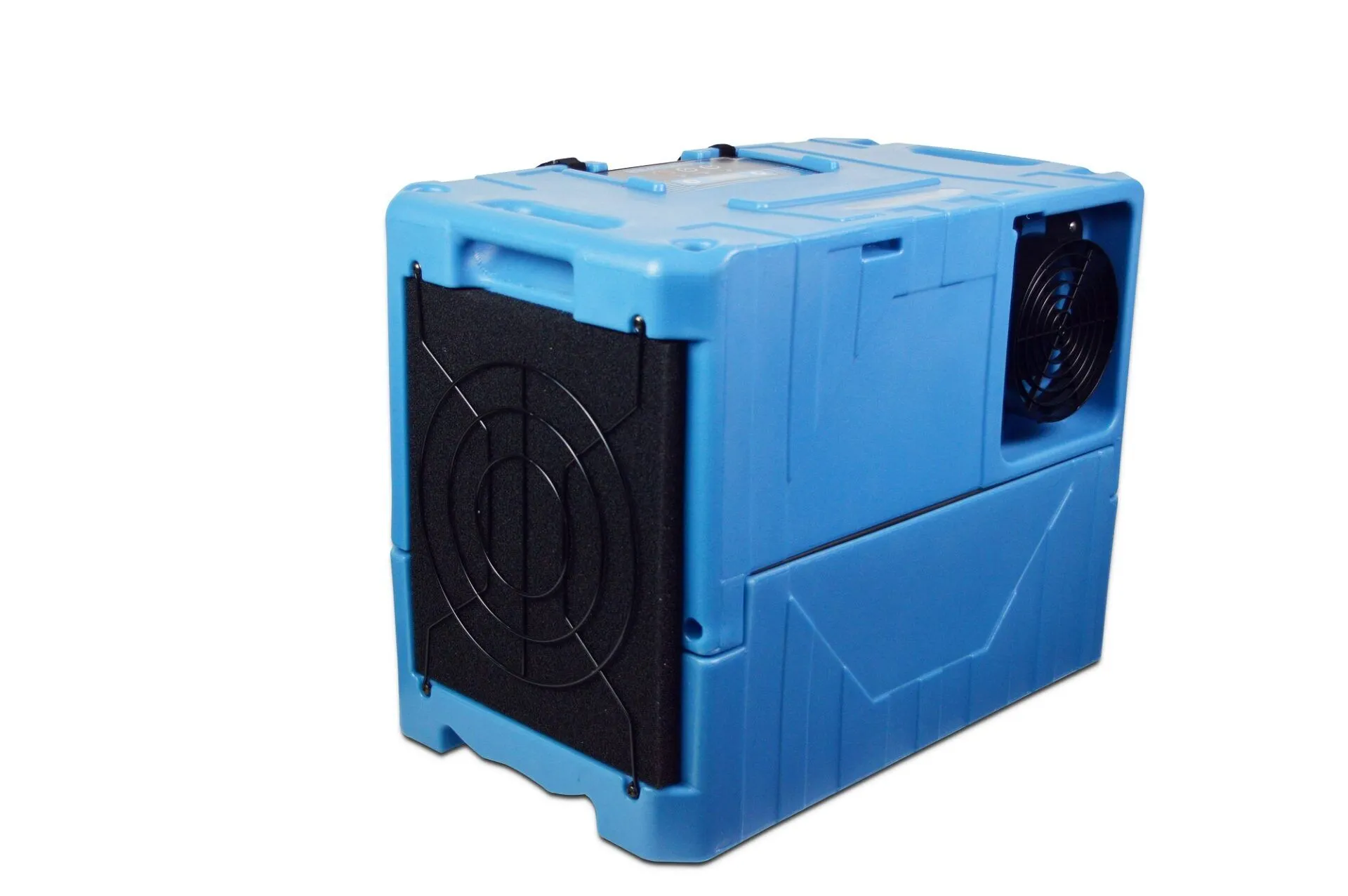
Why You Need A Dehumidifier After Water Damage
By: Brothers Equipment & Supply
Water damage in your home or business can lead to long-term issues if not addressed properly. Beyond the visible damage, moisture left behind creates the perfect breeding ground for mould and bacteria, which can threaten structural integrity and health.
One of the most effective tools for recovery is a dehumidifier. These machines are essential in speeding up the drying process and preventing secondary damage.
Let’s get right into it!
Moisture trapped in floors, walls, and furniture can cause mould and mildew to develop quickly. These fungi release spores into the air, which can lead to allergies, asthma, and other respiratory issues. Without moisture control, mould can spread in less than a few days.
When wood absorbs moisture, it swells and may warp or rot over time. Similarly, drywall can crumble or become unstable. If not dried properly, these materials may need full replacement rather than simple repair.
A persistent musty smell is a clear sign of excess humidity. This odour often lingers long after the water appears gone, indicating that moisture is still trapped within materials or behind walls.
Damp environments support the growth of dust mites and bacteria. These microscopic irritants can worsen indoor air quality, triggering allergic reactions and increasing the likelihood of infections, especially for vulnerable individuals.
Dehumidifiers pull moisture from the air, making it easier for wet surfaces to dry. Depending on their capacity, these machines can remove a substantial amount of water per day, speeding up recovery significantly.
For best results, dehumidifiers should run continuously during the drying phase. This helps maintain a consistent low humidity level, which is critical in stopping mould before it forms.
Where you place the dehumidifier matters. Placing it in the centre of the affected area or near the most saturated materials allows it to draw moisture more effectively. Keeping doors and windows closed helps it work more efficiently.
Dehumidifiers work best when used alongside air movers and heaters. Air movers circulate damp air toward the dehumidifier, while gentle heat helps evaporate moisture trapped inside materials.
Portable units are ideal for localized damage, such as a flooded basement or bathroom. Whole-home systems are better suited for widespread issues, particularly when integrated with central HVAC systems.
The size and power of the dehumidifier should match the size of the space and the extent of the water damage. Oversized units can dry areas too quickly, which may cause cracking in materials, while undersized units may be ineffective.
Choosing an Energy Star-rated model helps save on electricity costs. In colder climates or during winter months, look for units that operate efficiently at low temperatures.
Some dehumidifiers can be noisy, which may be disruptive in bedrooms or office areas. Consider models with lower decibel ratings or noise-reduction features. Also, check how often the filter needs cleaning and whether the water tank is easy to empty.
A hygrometer measures humidity levels in the air. Maintaining indoor humidity between 30% and 50% is ideal to prevent mould and ensure comfort. Hygrometers help track progress during drying.
Most dehumidifiers collect water in a reservoir. Regularly empty the tank or connect a hose to a floor drain for continuous drainage. Overflow can occur if the tank fills too quickly and is not emptied.
Filters trap dust and particles from the air. Clean them frequently to maintain the unit’s efficiency and to prevent blowing allergens back into the environment.
Always place dehumidifiers on dry surfaces and away from standing water. Plug them into grounded outlets and avoid using extension cords, which can pose a fire risk in wet conditions.
Q: How Soon Should I Start Dehumidifying After A Flood?
As soon as standing water is removed, dehumidification should begin. The faster you reduce humidity, the lower your risk of mould and structural damage.
Q: Can I Rent A Commercial Dehumidifier Locally?
Yes. Many equipment rental companies in Canada offer commercial-grade dehumidifiers suitable for larger or more severe water damage situations.
Q: What Is The Ideal Indoor Humidity After Water Damage?
Aim for a relative humidity level between 30% and 50%. Levels above 60% can lead to mould, while levels below 30% may cause dryness in materials and airways.
Q: Will Running Heat Alone Dry The Space Adequately?
No. Heat helps evaporate water but does not remove moisture from the air. A dehumidifier is necessary to extract that moisture effectively.
Q: How Long Should Dehumidifiers Operate Each Day?
They should run continuously until the area is fully dry, which could take several days depending on the severity of the damage and airflow.
Q: Do Mould Spores Die Once Humidity Drops?
Lower humidity slows or stops mould growth, but existing spores can remain dormant. Full remediation may be needed to remove them safely.
Q: Are Desiccant Dehumidifiers Better In Cold Climates?
Yes. Desiccant models work well at lower temperatures, making them ideal for use in unheated basements or during winter months.
Q: How Much Electricity Will The Unit Consume?
Energy use varies by size and model, but Energy Star-rated units offer better efficiency. Larger commercial units naturally use more power.
Q: Will Insurance Pay For Equipment Rental?
In many cases, yes. Home insurance may cover the cost of renting drying equipment, especially when included as part of a professional restoration plan.
Q: When Is Professional Restoration Necessary?
If the damage covers a large area, involves contaminated water, or persists after drying, professional services are recommended to prevent further problems.
A dehumidifier is not just helpful—it is essential after water damage. From controlling mould to preserving air quality, the right equipment makes a major difference in the restoration process. When used correctly and promptly, dehumidifiers help reduce long-term repair costs and restore indoor environments to a healthy, livable state.
If you have any questions about our article “Why You Need A Dehumidifier After Water Damage” contact us at sales@brothers-equipment.com or chat with us on LiveChat or social media.
Tips On How To Buy A Desiccant Dehumidifier By: Brothers Equipment And Supply Choosing the…
How To Choose The Right Dehumidifier For A Cannabis Grow Operation By: Brothers Equipment And…
Where To Buy Floor Carpet Fans: Must-Know Tips By: Brothers Equipment And Supply Floor carpet…
How Do I Improve Indoor Air Quality And What Can I Buy? By: Brothers Equipment…
10 Reasons Air Movers Are The Unsung Heroes Of Restoration By: Brothers Equipment & Supply…
Where to Find Water Damage Equipment In Toronto? By: Brothers Equipment And Supply Water damage…