
Where To Find Water Damage Equipment In Toronto?
Where to Find Water Damage Equipment In Toronto?
By: Brothers Equipment And Supply
Water damage can be a devastating experience for homeowners and businesses alike. Whether caused by a burst pipe, a natural disaster, or a leaky roof, the effects of water damage can be costly and disruptive.
It’s crucial to act quickly to mitigate the damage and prevent further complications.
One of the key factors in effective water damage restoration is having access to the right equipment.
In this article, we will explore where to find water damage equipment in Toronto to aid in the restoration process.
Types Of Water Damage Equipment
Before we delve into where to find water damage equipment, let’s first understand the various types of equipment commonly used in water damage restoration.
These tools are designed to extract water, dry out affected areas, and prevent mould growth.
Some of the essential equipment includes:
Dehumidifiers
Dehumidifiers play a crucial role in reducing the moisture content in the air. They extract excess humidity, preventing condensation and minimizing the risk of mould and mildew growth.
Air Movers
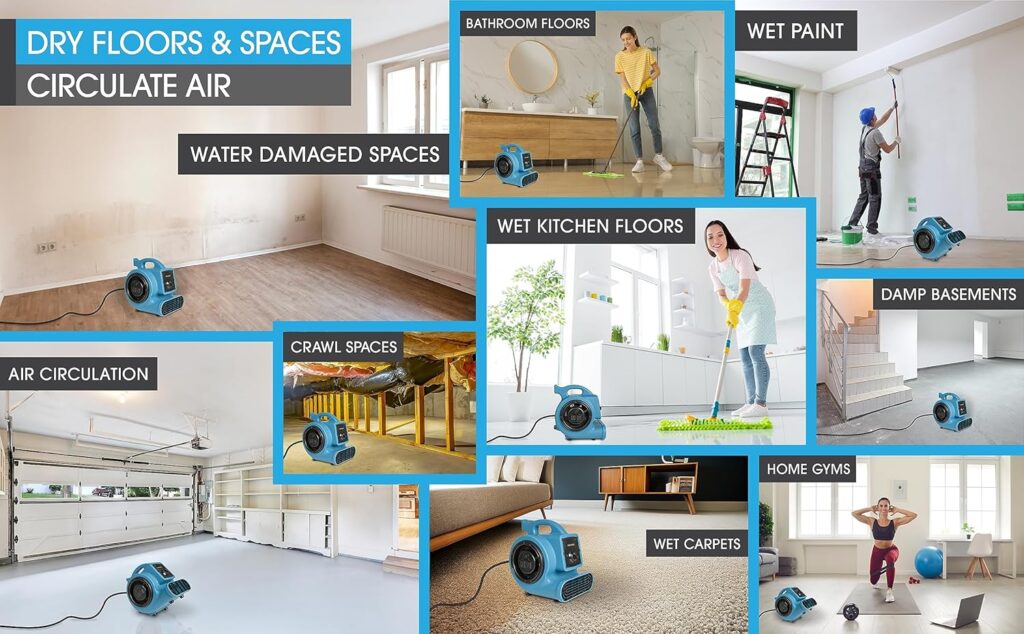
Air movers are powerful fans that circulate air in the affected areas, promoting evaporation and speeding up the drying process. They are especially effective in areas with limited ventilation.
Moisture Meters
Moisture meters are used to measure the moisture levels in different materials. They help professionals assess the extent of water damage and monitor the progress of the drying process.
Extractors
Extractors are specialized machines used to remove water from carpets, upholstery, and other porous materials. They employ suction to extract water efficiently and aid in the restoration process.
Fans And Blowers
Fans and blowers are used in combination with other water damage equipment to increase airflow and promote evaporation. They are particularly useful in larger spaces or areas with severe water damage.
Buying Water Damage Equipment In Toronto
If you need water damage equipment in Toronto, look no further. Brothers has got you covered!
Owning equipment provides convenience and immediate access whenever water damage occurs.
Consider the following when buying water-damage equipment:
Advantages of Owning: Owning water-damage equipment ensures that you have the tools readily available when an emergency strikes. It also gives you the flexibility to use the equipment as needed.
Choosing the Right Equipment: Assess your specific needs and consult with water damage restoration professionals to determine the essential equipment to have on hand.
Where To Buy Equipment Water Damage Equipment In Toronto?
You can purchase water damage equipment in Toronto from specialized suppliers like Brothers Equipment And Supply, local hardware stores, or online retailers.
Research reputable sellers and compare prices and warranties.
Price Considerations: Set a budget and compare prices from different sellers. Consider the quality, warranty, and after-sales support when making your purchasing decision.
Online Marketplaces For Water Damage Equipment
Online marketplaces like Craigslist and Kijiji or Facebook Marketplace have become a convenient and popular option for purchasing water damage equipment. They offer a wide range of options and the ability to compare prices and read customer reviews.
Why Equipment Specs Matter In Water Damage Restoration
Specifications aren’t just numbers — they determine how quickly you can restore a property, how much energy you’ll use, and how effectively you prevent mould and structural damage.
Professional-grade equipment is designed for continuous use, precise control, and optimal moisture extraction. Poor-quality gear may leave hidden moisture behind, leading to costly secondary damage.
In short, the specs are the science behind the success.
Key Categories Of Water Damage Restoration Equipment
To fully dry a flooded area, several tools work together:
- Dehumidifiers pull moisture from the air.
- Air Movers and Axial Fans circulate dry air to speed up evaporation.
- Air Scrubbers clean the air and reduce mould spores.
- Moisture Meters and Hygrometers track progress.
- Extractors and Pumps remove standing water.
Each category plays a role — and understanding their specs ensures you’re using the right equipment for the job.
What To Look For In A Dehumidifier In Toronto
The dehumidifier is the backbone of every water damage job. Look for:
- High PPD Rating: Measured in pints per day, this tells you how much water the unit removes under AHAM (standardized) conditions. Professional LGR models remove 70–130 PPD.
- LGR vs. Desiccant Technology: LGRs (Low Grain Refrigerant) work best in warm, humid spaces, while desiccants excel in cold or low-humidity climates — perfect for Canadian winters.
- Temperature Range: Choose models that operate efficiently between 4°C and 35°C.
- Built-In Humidistats and Sensors: Allow automatic control for consistent humidity.
- Durability: Roto-moulded plastic housings and rust-resistant coils extend lifespan.
A quality LGR dehumidifier can dry a flooded basement up to 40% faster than a standard compressor unit.
What To Look For In Air Movers And Axial Fans In Toronto
Air movers create the airflow that makes evaporation possible.
- CFM (Cubic Feet Per Minute): Look for fans rated between 2,000 and 3,000 CFM for large rooms.
- Amp Draw: Lower is better for energy efficiency — under 3 amps is ideal.
- Stackability: Saves space in vehicles and storage.
- Speed Control: Multi-speed settings let you adapt to different materials (drywall vs. hardwood).
- Design Type: Axial fans cover large areas; centrifugal fans deliver focused airflow under carpets or into walls.
Restoration pros typically deploy 4–6 fans per flooded room for full coverage.
What To Look For In Air Scrubbers And HEPA Filters In Toronto
Clean air matters during restoration, especially after floodwater exposure.
- True HEPA Filtration: Captures 99.97% of particles as small as 0.3 microns.
- CADR Rating: Higher Clean Air Delivery Rate equals faster purification.
- Variable Speed Control: Lets you balance noise and airflow.
- Optional Carbon Filters: Useful for removing odours after sewage or smoke contamination.
- Daisy-Chaining: Connect multiple units for larger spaces.
The Canadian Centre for Occupational Health and Safety (CCOHS) recommends HEPA filters during any mould remediation or contaminated water cleanup.
What To Look For In Moisture Meters And Hygrometers In Toronto
These are your diagnostic tools — think of them as your restoration compass.
- Pin vs. Pinless: Pin meters test internal moisture in wood or drywall; pinless models scan larger surfaces without damage.
- Accuracy: Look for ±1% precision or better.
- GPP (Grains Per Pound): Tracks the moisture content of air — critical for verifying drying progress.
- Data Logging: Bluetooth-enabled devices can store readings for insurance reports.
- Calibration: Must be adjusted for Canadian humidity conditions and temperature changes.
What To Look For In Extractors And Pumps In Toronto
Before drying, you need to remove the standing water.
- Flow Rate: Measured in litres per minute (LPM); higher is faster.
- Lift Height: Important for multi-level structures — 30+ feet lift is ideal.
- Tank Capacity: Larger tanks reduce downtime on commercial jobs.
- Automatic Shutoff: Prevents overflow and motor damage.
- Filtration Systems: Keep debris from clogging pumps.
Truck-mounted extractors are the gold standard for large floods, while portable extractors are perfect for smaller residential jobs.
Energy Efficiency And Environmental Considerations
Energy-efficient restoration equipment saves both hydro costs and emissions.
- Look for low amp draw and sealed motor systems.
- Energy Star-certified models can use up to 25% less energy than standard units.
- Modern LGR units recycle refrigerant to increase efficiency.
- Eco-friendly models reduce noise and heat output for long 24/7 operation cycles.
Smart Technology And Digital Monitoring
Modern restoration technology is getting smarter:
- App-Controlled Equipment: Check humidity and machine performance remotely.
- Bluetooth Dehumidifiers: Track progress from your phone.
- Cloud-Based Reporting: Automatically logs data for insurance adjusters.
- Sensors: Detect leaks and humidity spikes even after a job is complete.
Digital integration saves hours in reporting and boosts client trust through transparency.
Warranties, Maintenance, And Durability
Professional gear is an investment — and durability counts.
- Choose brands offering 3–5 year warranties.
- Look for sealed bearings, rust-proof coils, and impact-resistant housings.
- Regular filter cleaning and coil maintenance prevent performance drops.
- Canadian distributors often carry replacement parts — critical for minimizing downtime during peak storm season.
Price Vs. Performance: Finding The Right Balance
High-performance restoration gear costs more upfront but pays off quickly in time saved and fewer callbacks.
- A top-tier dehumidifier might cost $3,000–$5,000 but last 5–8 years.
- Cheap residential units may fail after one season.
- Consider total ROI: energy efficiency, warranty, and productivity.
- When possible, buy from certified Canadian suppliers for warranty support and service availability.
Contact A Water Damage Restoration Company
Water damage restoration companies are experts in dealing with water damage emergencies. They not only offer restoration services but often provide equipment options as well.
Call a water damage restoration company in Toronto and ask if they can sell you equipment.
Consider the following benefits of contacting water damage restoration companies:
Equipment Rental Services Provided: Many water damage restoration companies offer equipment rental services alongside their restoration services. They can provide professional-grade equipment tailored to your specific needs.
Professional Advice and Guidance: By contacting restoration companies, you can benefit from their expertise and receive recommendations on the most suitable equipment for your restoration project.
Access to Specialized Equipment: Some water damage restoration companies have access to specialized equipment that may not be readily available for individual purchase or rental.
Conclusion
Finding the right water damage equipment is crucial for effective restoration and mitigation of water damage. Whether you choose to rent or buy, there are several options available.
Consider your specific needs, budget, and the advice of professionals in the field to make an informed decision. Act promptly and secure the necessary equipment to minimize the impact of water damage on your property.
FAQs
Can I rent water damage equipment for a short period?
Yes, many equipment rental companies offer flexible rental periods to accommodate various restoration projects.
How much does it cost to repair water damage in Toronto?
The cost of repairing water damage in Toronto can vary depending on the extent of the damage and specific circumstances. It is best to contact professional restoration services for accurate cost estimates tailored to your situation.
What is the most expensive water damage?
The most expensive water damage cases typically involve extensive flooding or catastrophic events, such as hurricanes, where entire properties or large areas are affected. These situations often require significant repairs and replacements.
Is water damage covered by insurance in Canada?
Coverage for water damage in Canada depends on your specific insurance policy. Some policies may cover certain types of water damage, but coverage can vary. Review your policy or consult with your insurance provider for details.
Can water damage be fixed in-house?
Minor instances of water damage can sometimes be fixed in-house as DIY projects. However, for significant damage or structural issues, it is advisable to seek professional assistance.
Do you need to replace drywall after a leak?
The need to replace drywall after a leak depends on the severity of the damage. Minor leaks may not require replacement, but if the drywall is significantly water-damaged, warped, or shows signs of mold growth, replacement may be necessary.
What needs to be replaced after water damage?
Items commonly needing replacement after water damage include flooring, carpets, insulation, furniture, electronics, and personal belongings. Structural elements like wooden beams or drywall may also require replacement if extensively damaged.
When should I replace drywall after water damage?
The timeline for replacing drywall after water damage varies based on factors such as the severity of the damage, drying techniques employed, and presence of mold. It is best to consult with professionals to assess the condition and determine the appropriate timing.
Where is water damage most common?
Water damage can occur in various areas, but some common places include basements, bathrooms, kitchens, roofs, and areas near plumbing fixtures or appliances.
How common is water damage?
Water damage is quite common and can occur due to various factors such as leaks, floods, plumbing issues, or natural disasters. Its frequency depends on geographical location and other factors.
If you have any questions about our article, “Where to Find Water Damage Equipment In Toronto?” or need to buy water damage equipment online or in the Greater Toronto Area feel free to call us at 1-416-912-2205 or chat with us on social media or Live Chat.