Where To Buy Floor Fans To Dry Floors In Toronto
By: Brothers Equipment & Supply
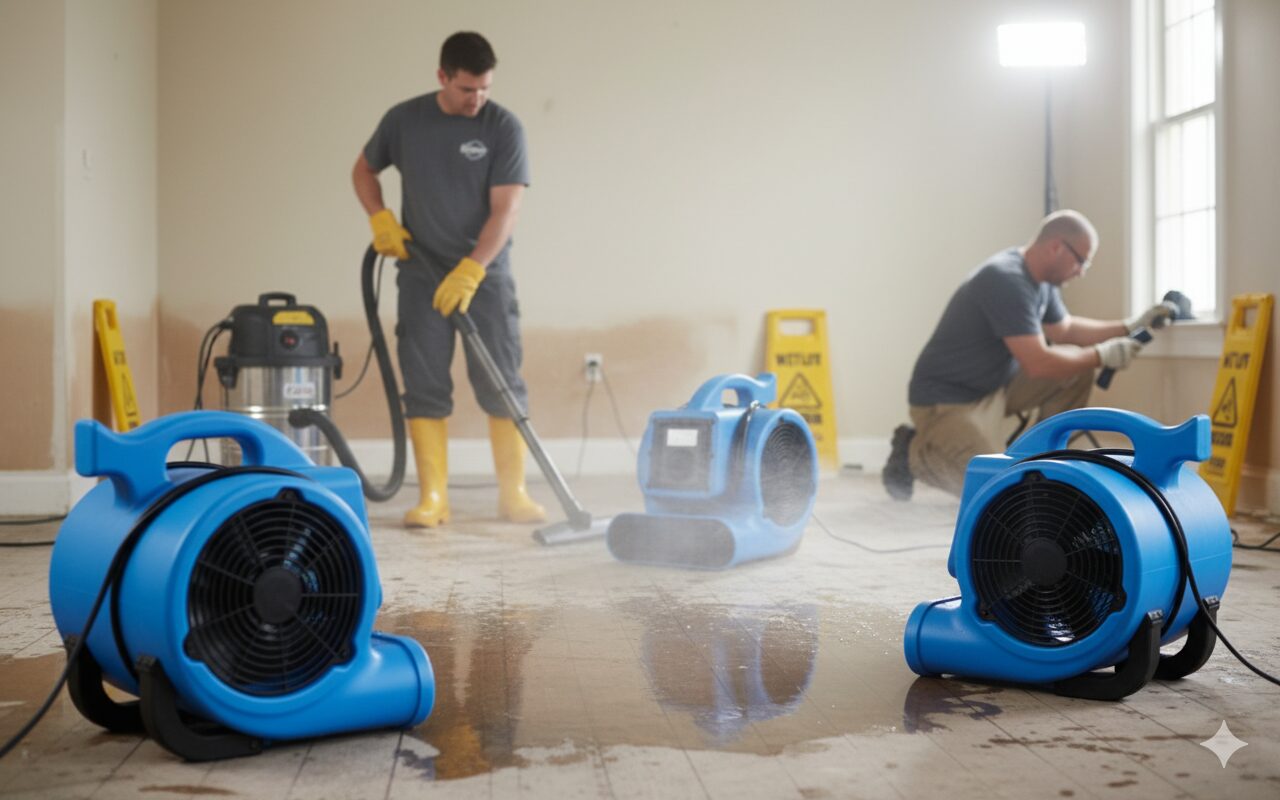
Whether it’s a leaky pipe in your downtown condo, a flooded basement in Scarborough, or a commercial clean-up project, one tool is non-negotiable: a reliable floor fan.
In Toronto, where summer storms, condo leaks, and winter thaw damage are all too common, drying floors quickly is the difference between a minor inconvenience and a major mould outbreak.
This article breaks down where to buy floor fans in Toronto, the top 10 things to know before purchasing, and what specs matter most for Canadian homes and businesses.
Let’s get right into it!
Toronto buyers have several options.
Specialty suppliers like Brothers Equipment And Supply, we carry industrial models built for contractors. Our floor fans can dry damp and wet spaces, rooms and
Online retailers like Facebook, Kijiji, and Amazon have equipment distributors that often have selections.
Rentals are also available for short-term needs, but frequent users will save more by buying.
For property owners who face flooding risks multiple times a year, ownership pays off quickly compared to renting at $30–$50 per day per fan.
Floor fans are designed to move high volumes of air across surfaces, speeding up evaporation and reducing the risk of mould. According to Health Canada, mould can begin forming within 24–48 hours after water damage, making quick drying essential.
Fans also improve indoor air quality and prevent lingering damp odours. Restoration companies rely on professional-grade fans to stay within industry drying standards set by the Institute of Inspection Cleaning and Restoration Certification (IICRC).
Industrial fans rapidly dry flooded basements, bathrooms, and commercial spaces. They prevent mould and mildew from forming within the first 24–48 hours after water damage.
Freshly poured concrete, drywall mud, and paint dry faster with directed airflow. Contractors save time and keep projects on schedule.
Large facilities use fans to circulate air, regulate temperatures, and improve worker comfort. They also reduce stagnant air that can impact product quality.
Fans control humidity and regulate temperatures in barns and greenhouses. This prevents mould growth on crops and improves livestock comfort.
From wedding tents to trade shows, industrial fans provide powerful ventilation. They keep guests comfortable and equipment from overheating.
Mechanics and woodworkers use fans to remove fumes, dust, and odours. They improve air circulation in enclosed spaces without complex HVAC systems.
Large open areas like gyms, arenas, and community centres benefit from fans for cooling athletes and spectators. They also prevent slippery floors by drying sweat and condensation quickly.
Fans combined with air scrubbers help ventilate smoke-filled areas. They speed up odour removal and improve air quality during cleanup.
Factories use fans to cool heavy machinery and prevent overheating. Consistent airflow extends the lifespan of motors, compressors, and electrical systems.
Hotels, restaurants, and malls use industrial fans to improve comfort during HVAC failures or high-traffic events. They also keep floors dry in entryways during wet weather.
CFM (cubic feet per minute) measures how much air a fan moves. For residential drying, look for at least 2000–2500 CFM.
For commercial or large spaces, 3000–4000+ CFM is recommended. Higher CFM shortens drying times significantly.
Variable speed allows you to fine-tune airflow. High settings help with carpets and concrete floors, while lower speeds protect delicate hardwoods.
Having control over airflow also reduces energy consumption during lighter jobs. It extends the life of the equipment by reducing unnecessary strain.
Axial fans are best for wide spaces such as basements or gyms. Centrifugal fans are more focused and useful for tight spaces, stairwells, and under cabinetry.
Professionals often use a mix for maximum coverage. This versatility ensures you always have the right tool for the job.
Toronto homes and condos often have tight staircases. A lightweight fan with handles or wheels saves frustration.
Contractors prefer stackable designs for easier van storage. Compact and portable designs also make it easier for homeowners to store them in smaller spaces.
Fans with low amp draw allow you to run multiple units on a single circuit without tripping breakers. This is especially helpful in older Toronto homes where electrical systems may be limited.
Energy efficiency also cuts operating costs—important with Ontario’s rising hydro rates. Lower amp draw means you can run more equipment simultaneously without risk.
ABS plastic housings resist water damage and impacts, making them a better choice than fragile metal or thin plastic. They also stand up well to rough handling during transport.
For flood-prone jobs, water-resistant casings are a must. Durability ensures you won’t need frequent replacements, saving long-term costs.
If you’re drying overnight or working in occupied spaces, quieter fans (below 70 dB) are more comfortable. Loud industrial fans can disrupt tenants or employees.
Noise levels are particularly important in condos, offices, and healthcare environments. A quieter fan keeps everyone happier while still getting the job done.
Always look for CSA or UL certification to meet Canadian safety standards. Three-prong grounded plugs and built-in circuit breakers reduce electrical risks during wet jobs.
Fans with protective grilles and sturdy bases also add safety when used in high-traffic areas. These features are essential when drying spaces where families or staff are present.
In Toronto’s condo-heavy market, space matters. Stackable fans save room in closets, garages, or contractor vans.
Restoration crews often stack up to 5–6 units for transport. Homeowners benefit too, since stackable designs mean easier storage without sacrificing living space.
Industrial-grade fans should come with at least a one-year warranty, with many offering two to five years. This protects your investment against early failures.
Always check if Toronto-area service centres or parts are available. Local service options mean less downtime when your fan needs maintenance.
Consumer-grade models typically cost $80–$150. Professional contractor-grade floor fans range from $250–$500.
Industrial high-output fans can cost $700–$1500+. While consumer models are cheaper, they rarely last in flood restoration settings.
Many homeowners purchase household fans, which aren’t designed to dry wet floors. Others underestimate how many units are needed for a large space—industry pros often use multiple fans per room.
Another mistake is ignoring energy efficiency, which leads to higher hydro bills. Finally, skipping warranty coverage can leave you stranded when parts fail.
Toronto homeowners and contractors alike benefit from investing in quality floor fans. With rising flood risks, faster drying prevents mould, saves on repair costs, and ensures healthier indoor spaces.
Whether you buy from a local hardware store, a specialty supplier, or online, pay attention to CFM, fan type, durability, and service options. In the long run, the right purchase keeps your property dry and your wallet protected.
If you have any questions about our article, “Where To Buy Floor Fans To Dry Floors In Toronto [Must-Know Tips]” or need water damage restoration equipment, contact us at sales@brothers-equipment.com or connect with us on social media.
Tips On How To Buy A Desiccant Dehumidifier By: Brothers Equipment And Supply Choosing the…
How To Choose The Right Dehumidifier For A Cannabis Grow Operation By: Brothers Equipment And…
Where To Buy Floor Carpet Fans: Must-Know Tips By: Brothers Equipment And Supply Floor carpet…
How Do I Improve Indoor Air Quality And What Can I Buy? By: Brothers Equipment…
10 Reasons Air Movers Are The Unsung Heroes Of Restoration By: Brothers Equipment & Supply…
Where to Find Water Damage Equipment In Toronto? By: Brothers Equipment And Supply Water damage…