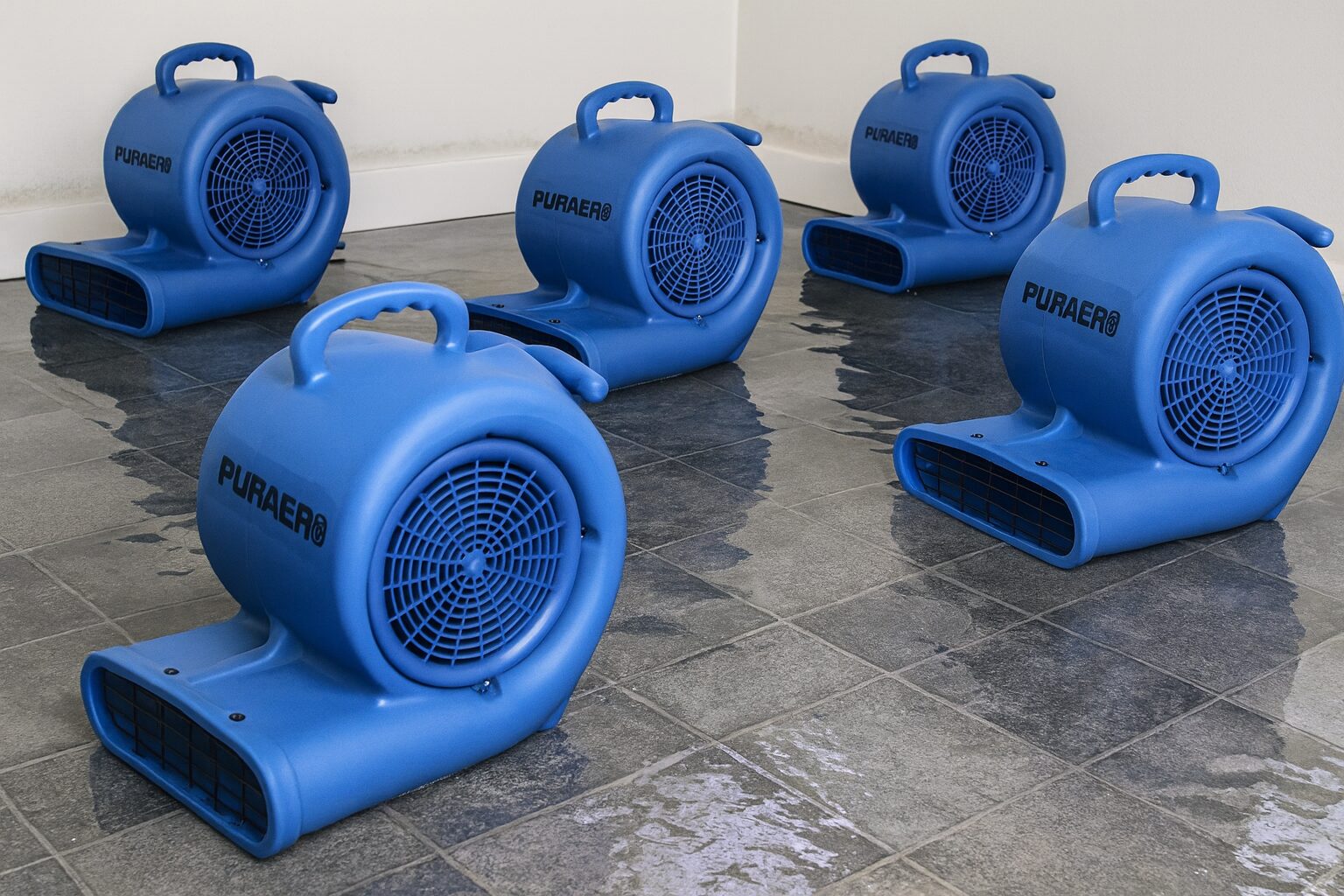
Top Reasons Your Equipment Isn’t Performing At Full Power
By: Brothers Equipment & Supply
Whether you operate heavy machinery in construction, run agricultural equipment on the Prairies, or manage manufacturing tools in a factory, your equipment is the backbone of productivity.
When it’s not performing at full power, costs rise, deadlines slip, and safety risks increase.
According to the Canadian Federation of Independent Business (CFIB), equipment downtime costs small and medium-sized businesses an average of $3,000 to $8,000 per day depending on the industry. That doesn’t include the lost contracts, strained client relationships, or overtime pay needed to catch up.
The good news?
Understanding why equipment loses power and how to prevent it can protect your bottom line and extend the lifespan of your investment.
Let’s get right into it.
“Full power” doesn’t just mean a machine running at maximum speed. It refers to optimal capacity, efficiency, and output as specified by the manufacturer.
Performance is often measured through:
When performance starts to dip, even slightly, energy costs rise and components wear faster.
No matter how well-built a machine is, moving parts will wear over time. Bearings degrade, belts stretch, seals crack, and hydraulic components lose efficiency.
Signs of mechanical wear include:
The Canadian Centre for Occupational Health and Safety (CCOHS) recommends regular mechanical inspections every 250–500 operating hours to catch issues before they become critical.
Skipping maintenance might save time in the short term but can cost thousands in repairs later. Preventive maintenance ensures equipment stays within optimal performance parameters.
For example, a 2022 Caterpillar study found that preventive maintenance reduces repair costs by up to 25% and increases equipment uptime by 20%.
Keeping a maintenance log with service dates, replaced parts, and inspection notes helps you stay on top of essential tasks.
Dust, debris, and oil residue can choke your equipment’s performance. Air filters, fuel filters, and hydraulic lines are especially vulnerable.
A clogged air filter can reduce engine performance by up to 10% according to Engine Manufacturers Association guidelines. Over time, restricted airflow forces the system to work harder, generating more heat and consuming more fuel.
Replace filters on schedule — or sooner in dusty environments — to keep performance high.
Even advanced equipment needs periodic calibration. Misaligned sensors, improper torque settings, or incorrect system configurations can waste power and reduce accuracy.
In agriculture, for instance, miscalibrated planting equipment can cause 5–15% seed waste per season (Agriculture and Agri-Food Canada).
Follow manufacturer-recommended recalibration intervals, especially after seasonal changes or relocation.
Unstable voltage, worn wiring, or poor grounding can limit output. Heavy machinery is particularly sensitive to inconsistent power supply.
Warning signs include:
A licensed electrician should inspect your system annually to prevent costly electrical failures.
Lubrication reduces friction, prevents overheating, and ensures smooth operation. The wrong lubricant, or incorrect amounts, can accelerate wear.
In Canada’s colder climates, winter-grade lubricants are essential to prevent thickening, while in summer, heat-resistant oils protect against breakdown.
Under-lubrication increases wear, while over-lubrication can blow seals and waste oil. Follow your manufacturer’s lubrication chart for exact quantities and intervals.
Even the best equipment will underperform if used incorrectly. Common mistakes include:
Ongoing operator training ensures your team knows proper handling techniques and seasonal adjustments, reducing wear and preventing costly downtime.
Modern equipment often relies on software for monitoring, control, and diagnostics. Outdated firmware can cause lag, errors, or inaccurate readings.
A 2023 Deloitte report found that up-to-date industrial software reduces downtime by 15% and improves predictive maintenance accuracy.
Schedule updates during low-use periods to avoid operational disruption.
Canadian weather is tough on machinery. Extreme cold thickens fluids, reduces battery output, and can crack brittle components. Excessive heat increases the risk of overheating, while humidity can corrode electrical systems.
Seasonal adjustments might include:
Even with perfect care, all machinery eventually reaches the point where repairs aren’t worth the cost. Older equipment may run at half its original efficiency, costing more in fuel and repairs than replacing it.
Newer models often deliver 20–30% better fuel efficiency and lower maintenance costs (Natural Resources Canada).
If your machine is down more than it’s up, it might be time to upgrade.
Start by comparing current performance metrics to original manufacturer specifications. Check maintenance records for missed services. Inspect filters, fluid levels, belts, and calibration settings.
If the problem persists, call in a certified technician who can run diagnostics and make necessary adjustments.
Tracking repairs and performance trends helps you make informed decisions about repairs vs. replacement.
Equipment underperformance is costly, but it’s not inevitable. By keeping up with maintenance, training operators, updating software, and respecting environmental limits, you can maximise your equipment’s life and productivity.
The best time to prevent costly downtime is before it happens — and the smartest investment you can make is in proactive care.
Why Does My Equipment Lose Power Over Time?
Wear, dirt buildup, poor lubrication, and outdated software can gradually reduce performance. Regular maintenance slows this process.
How Often Should I Service My Machinery?
Follow manufacturer guidelines, typically every 250–500 operating hours, or sooner in harsh conditions.
Can Extreme Cold Affect Equipment Performance?
Yes. Cold thickens fluids, reduces battery efficiency, and can make metal components brittle.
What Are The Signs Of Electrical Issues In Heavy Equipment?
Flickering lights, slow startups, and frequent breaker trips signal possible wiring or power supply problems.
Is It Worth Upgrading Old Equipment Or Just Repairing It?
If repair costs are high and performance remains low, upgrading may save money long-term.
How Can I Improve Fuel Efficiency In My Machinery?
Maintain clean filters, keep tires or tracks in good condition, and avoid unnecessary idling.
Do Software Updates Really Make A Difference For Equipment?
Yes. Updated software improves monitoring accuracy, prevents glitches, and supports predictive maintenance.
How Do I Know If My Equipment Is Properly Calibrated?
Check performance output against manufacturer specs. Any consistent discrepancies may indicate miscalibration.
What’s The Best Way To Store Equipment In Harsh Canadian Winters?
Use covered storage, winterise fluids, and disconnect batteries when idle for long periods.
Can Operator Training Really Improve Performance And Longevity?
Absolutely. Trained operators handle equipment correctly, reducing unnecessary wear and breakdowns.
If you have any questions about our article, “Top Reasons Your Equipment Isn’t Performing At Full Power” or need expert-approved water damage equipment contact us at sales@brothers-equipment.com or connect with us on social media.
Tips On How To Buy A Desiccant Dehumidifier By: Brothers Equipment And Supply Choosing the…
How To Choose The Right Dehumidifier For A Cannabis Grow Operation By: Brothers Equipment And…
Where To Buy Floor Carpet Fans: Must-Know Tips By: Brothers Equipment And Supply Floor carpet…
How Do I Improve Indoor Air Quality And What Can I Buy? By: Brothers Equipment…
10 Reasons Air Movers Are The Unsung Heroes Of Restoration By: Brothers Equipment & Supply…
Where to Find Water Damage Equipment In Toronto? By: Brothers Equipment And Supply Water damage…