8 Must-Have Pieces Of Water Damage Equipment For Your Business
By: Brothers Equipment & Supply
Water damage is one of the leading causes of property loss in Canada, costing homeowners and businesses more than $2 billion in insurance claims every year.
For restoration companies, having the right water damage equipment is critical to delivering fast, safe, and effective results.
From powerful dehumidifiers to air movers, pumps, and air scrubbers, the right tools ensure proper drying, prevent mould, and restore properties to pre-loss condition.
In this guide, we’ll highlight eight must-have pieces of water damage restoration equipment every professional company should have to stay competitive and provide reliable, top-quality service.
Let’s get right into it!
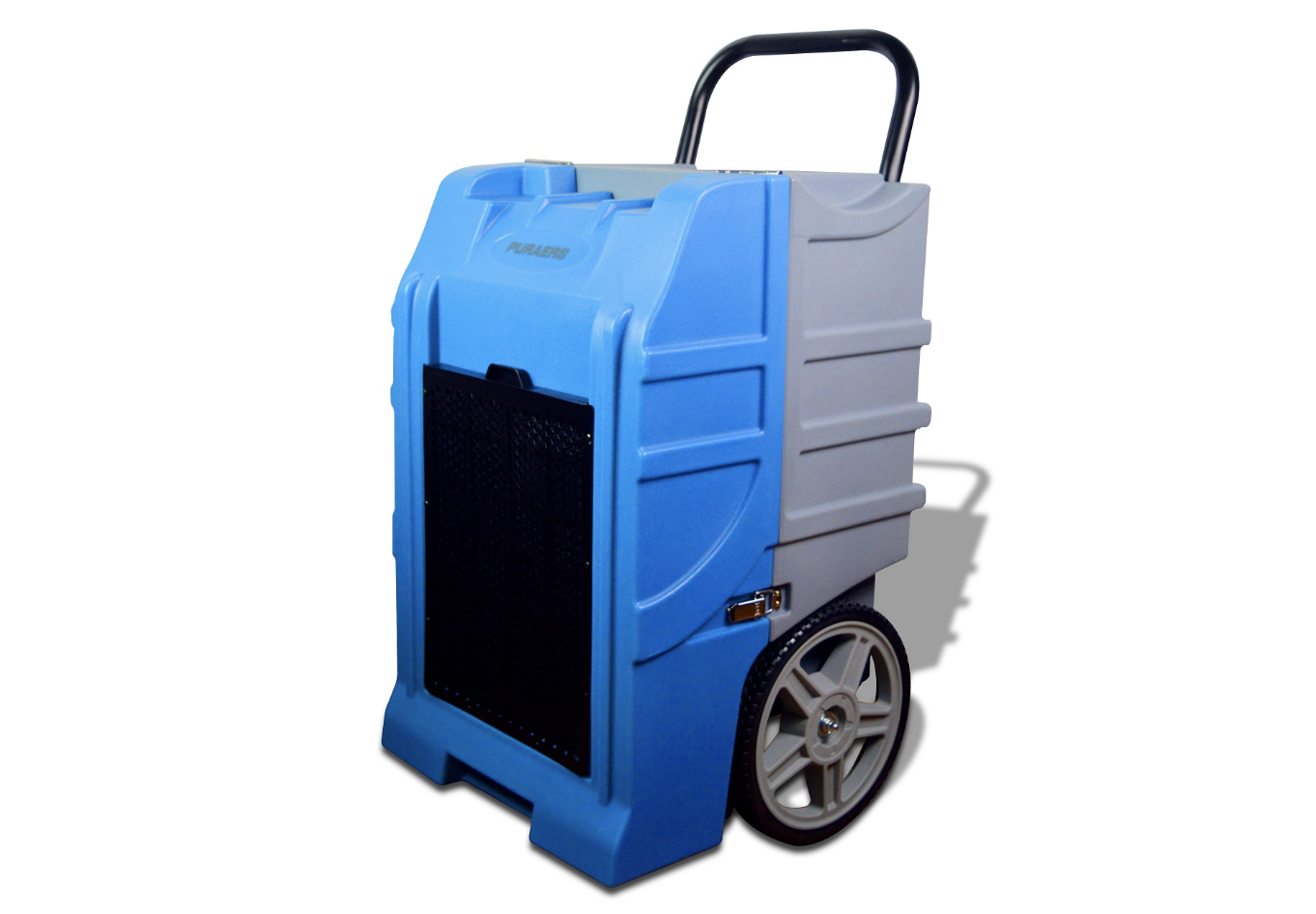
When it comes to repairing water damage, standard dehumidifiers used in wet basements are inefficient.
You need a commercial LGR dehumidifier that is more powerful, any decent licensed restoration contractor will advise you to buy one.
What is an LGR dehumidifier?
LGR stands for low-grain refrigerant and it’s referred to as LGR in the water damage industry.
The LGR dehumidifier functions in a way that is comparable to that of a regular dehumidifier, but it is more stronger and operates across a wider range of temperatures.
To get what you need, you can look into several well-regarded LGR dehumidifier brand like Puraero.
Even some of the most recent dehumidifiers contain Bluetooth connectivity, which enables data tracking and other high-tech features.
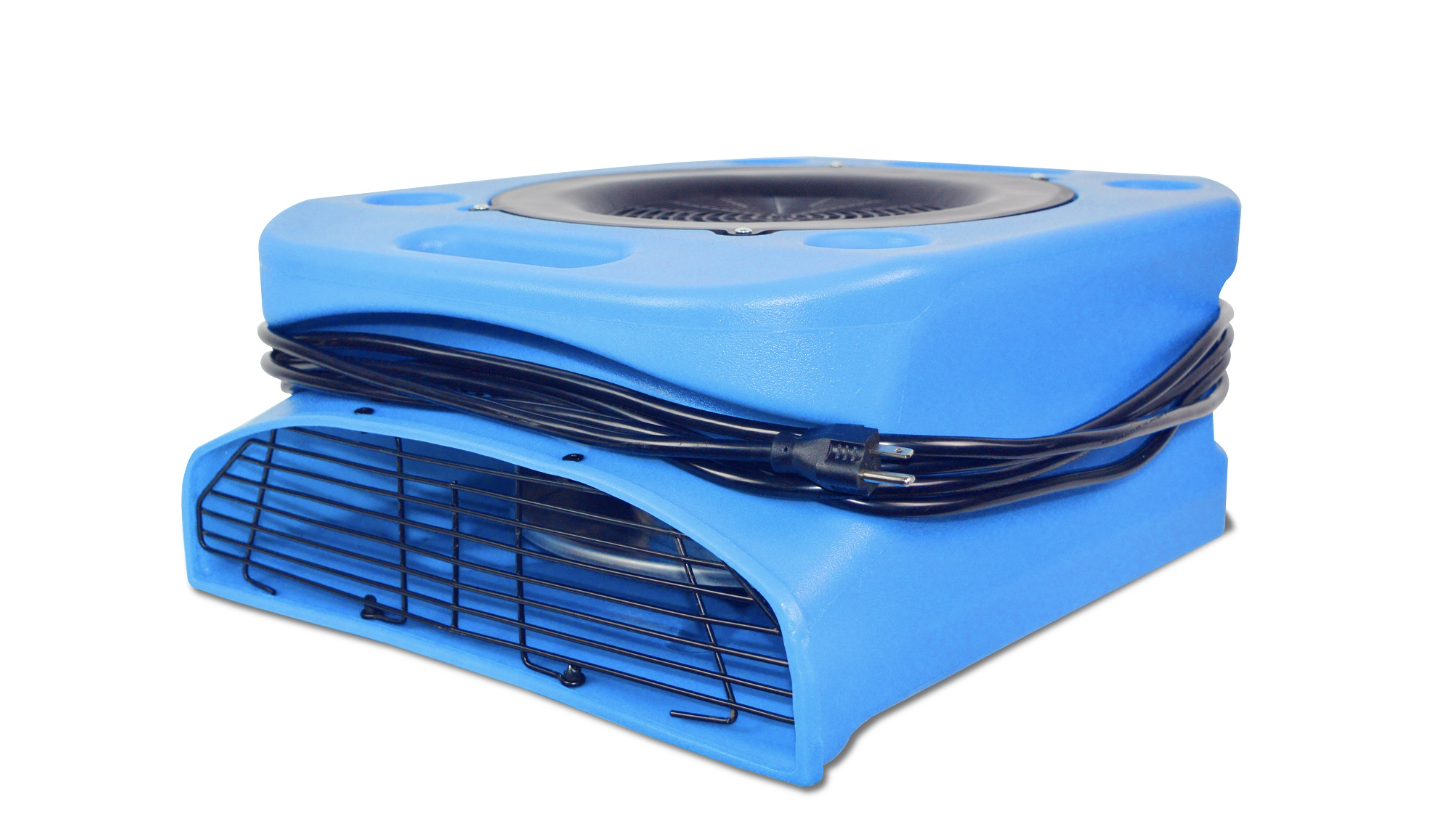
Another mandatory piece of water damage equipment for your business is the air mover. The air mover is often referred to as an air blower.
Air blowers operate with dehumidifiers to speed up the drying process of household materials including drywall, flooring, and carpet.
The wall structure may need to be dried in extreme cases, which may require removing the drywall.
Sometimes all that’s required are a few simple cuts to allow air from the air mover to enter the space.
In certain cases, it is possible to dry flooring and carpet from the top down; in other cases, it may be necessary to remove the top layers to use an air mover to dry the subfloor.
Any of these situations necessitate the use of an air mover to finish the drying process.
When considering the kind of air mover you want, there are several variables to bear in mind.
Investing in stackable equipment may help you get all of your supplies into a vehicle with little space to spare.
Additionally, ensure you can daisy chain your air movers in case you have to operate in a place with spotty energy.
There are two primary categories of air blowers.
Axial air blowers: These are used to dry your floor from the bottom to the top.
Because they can alter the direction of the air they are blowing, centrifugal air movers are used to steer air to specific places, including behind cabinets or behind walls.
Be sure to add this beauty to your list of must-have pieces of water damage equipment for your business.
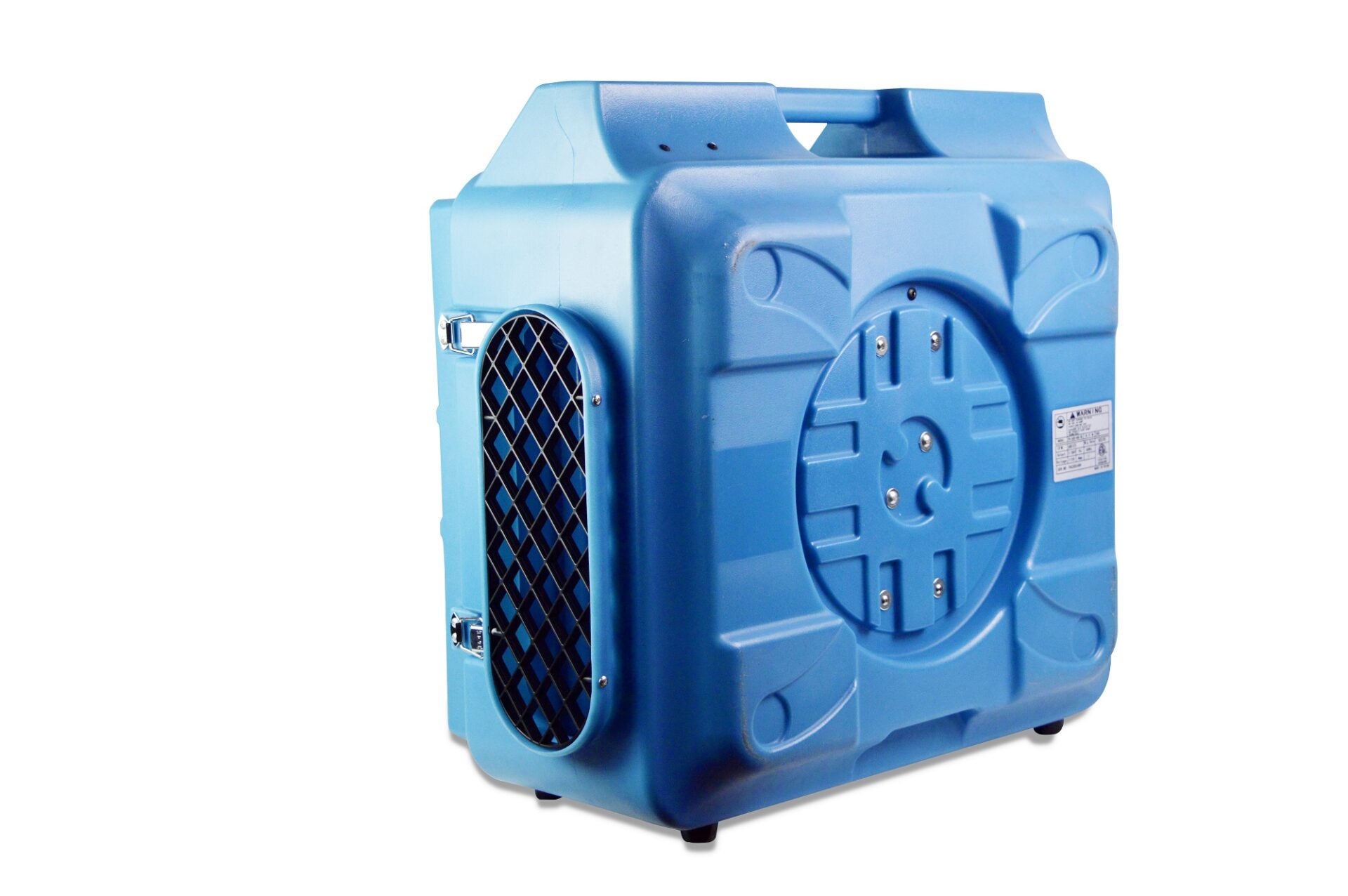
When doing large-scale projects that include a lot of dust or mould, air purifiers, often referred to as air scrubbers, are crucial.
Air purifiers are also required in regions that have category 3 damage, often known as black water damage, in order to assist eradicate the germs and toxic substances that the water left behind.
You can find expert-approved air scrubbers here at Brothers Equipment And Supply.
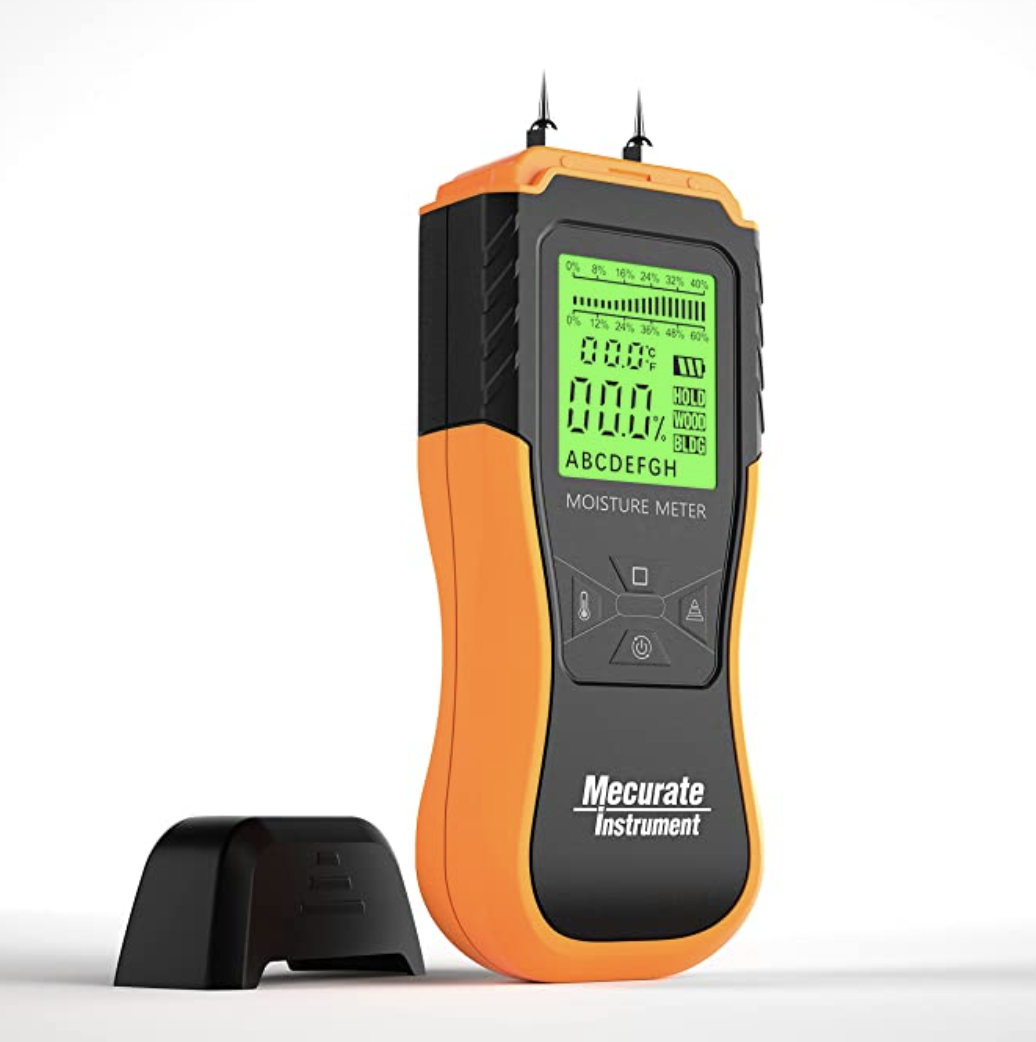
When water damage is present near drywall, flooring, trim, and other surfaces, moisture detectors, which are compact portable devices, can detect it.
They can also determine how serious your damages are.
This water damage tool is helpful when you initially evaluate a work to decide where to concentrate your water removal efforts and then after a task to ensure all the moisture is gone.
Water damage restoration businesses use a variety of different types of moisture detectors.
To locate the moisture causing structural damage, pinless moisture meters include electromagnetic sensors.
The moisture detector highlights the level of moisture and is useful for detecting moisture on the surface of materials.
To identify whether a substance has moisture beneath its surface, other moisture detectors have pins that can be inserted into the material.
Some moisture detectors combine the two functions into one device.
The most effective option for your company may be to buy a moisture detector that can perform both tasks. It also lessens the number of water damage restoration tools that take up room in your toolbox.
The well-regarded brands Protimeter and Tavool are among the many moisture detector brands available for selection.
To be sure it’s the right fit for you, be sure to review the benefits and drawbacks of their moisture meters.
Whether you’re new to the game or just want to increase your productivity, you need a strong debris management plan.
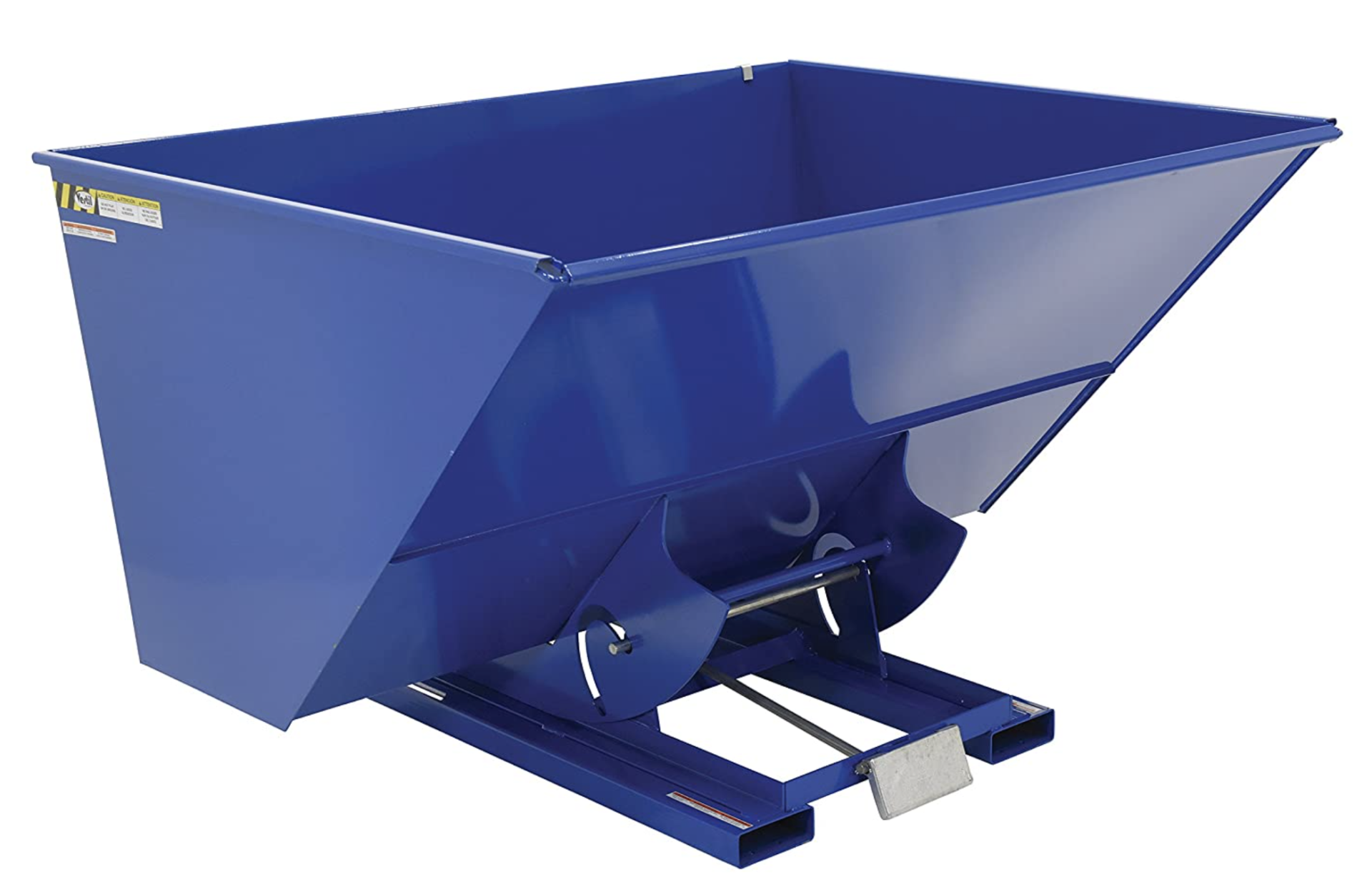
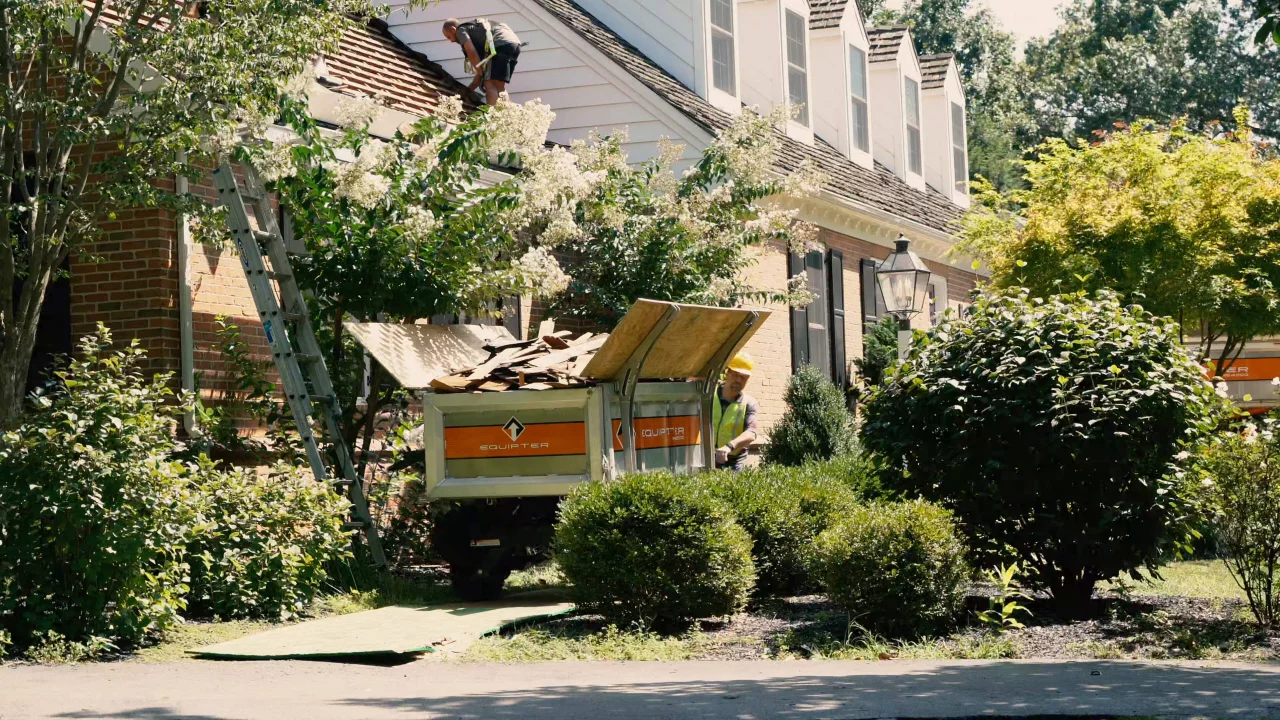
For removing water-damaged debris from the construction site, self-propelled dump containers are useful pieces of water damage restoration machinery.
They may be used to hoist dehumidifiers and other drying equipment to windows on the first level or higher up.
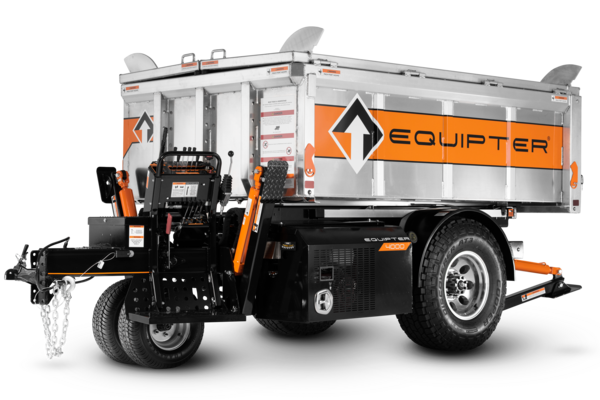
This is a 12-foot lift with 4,000 lb capacity, the Equipter RB4000 is a must-have piece of water damage equipment — it’s a game changer.
Just fill the container with your debris until it is full, drive to an on-site dump, and dump using the hydraulic tailgate.
The RB4000 is simple to elevate to an access point, such as a window or balcony if you’re working on the second level of a condo complex or retirement community.
Once there, you may raise the remainder of your water damage restoration tools into place.
Heavy equipment transporting up and down stairs is no longer a concern for your staff.
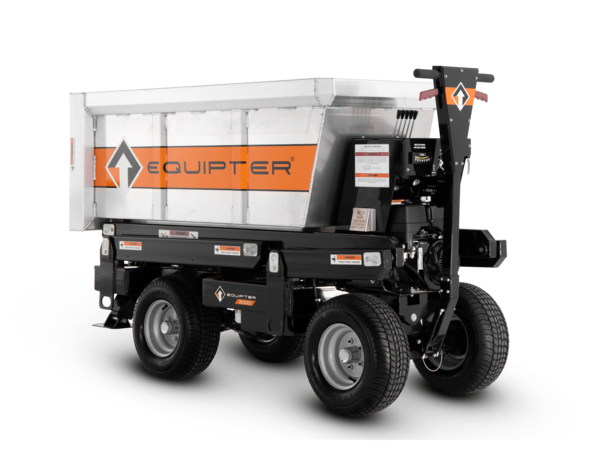
A smaller variant of the RB4000, the Equipter RB2500 can fit in even smaller locations.
This makes it perfect for entry points that are located in tiny backyards.
With its 7-foot hydraulic lift, the RB2500 can move up to 2,500 pounds of cracked drywall and other water-damaged items.
The smallest sibling in the Equipter family, the RB2000, can move up to 1,500 lbs of goods or waste.
The RB2000 can quickly remove debris since it is smaller than 3 feet wide and can move past gates, into alleyways, and within open-air structures.
It has a 7-foot lifting capacity, just like the RB2500.
Water damage equipment includes specialized tools designed to extract moisture, dry affected areas, and prevent mould growth.
Local Specialty Restoration Suppliers: Here at Brothers Equipment & Supply we sell both portable dehumidifiers for small spaces and industrial dehumidifiers, LGR dehumidifiers, air mover with daisy chain, air scrubbers, axial fans, air movers, desiccant dehumidifiers, tape and more.
All of it is expert-approved and the best quality equipment for drying rooms, dehumidification and restoration.
Feel free to contact us at sales@brothers-equipment.com, we offer free shipping across Canada and USA, pick-up is also available.
Online Marketplaces: Facebook Marketplaces and Kijiji offers convenience, though warranties may vary.
Rental Companies: Many restoration firms and equipment rental outlets provide short-term rentals for homeowners.
Pricing: Expect to pay more for Canadian-certified equipment due to import costs.
Warranty: A solid warranty is crucial for commercial buyers.
Certification: Always check for CSA or UL approval.
Energy Efficiency: ENERGY STAR® models help cut long-term costs.
Bulk Options: Contractors often benefit from wholesale distributors offering discounts.
Common categories include:
Air Movers And Blowers – Speed up drying by increasing airflow
Dehumidifiers – Remove excess humidity from the air
Moisture Meters And Detectors – Identify hidden dampness in walls and floors
Water Extraction Pumps – Remove standing water quickly
Protective Gear And Cleaning Supplies – Keep workers safe and ensure sanitation
The Canadian market is regulated, and many tools require CSA or UL certification to ensure safety and compliance.
Air Movers And Blowers: Lightweight yet powerful, these devices can cost between $150 and $500 in Canada.
Dehumidifiers: Residential units average $250–$400, while commercial models can exceed $3,000. ENERGY STAR® models are recommended for energy savings.
Water Extraction Pumps: Portable electric pumps are common for homes, while gas-powered pumps are often used for larger projects.
Moisture Meters: Essential for confirming when materials are fully dry, preventing premature restoration work.
On average:
Residential Dehumidifier: $250–$400
Commercial Dehumidifier: $2,000–$3,000+
Air Mover: $200–$500
Portable Pump: $150–$600
Renting a commercial dehumidifier in Canada can cost $50–$100 per day, making purchase more economical for long-term contractors.
Seasonal Sales: Spring and fall promotions often include dehumidifiers.
Wholesale And Bulk Orders: Restoration firms often secure 20–30% discounts.
Second-Hand Equipment: Buying used is possible but always inspect motors and ask for maintenance history.
Warranty Comparisons: Extended warranties are often worth the cost.
Sometimes the best option is not to buy but to hire professionals. Restoration firms have access to top-tier equipment and trained technicians.
For contractors, networking with restoration companies may open doors to discounted equipment or bulk deals.
$2 Billion Annual Cost of water damage repairs in Canada (Insurance Bureau of Canada).
14% Of Canadian Homes at risk of flooding due to climate change (Intact Centre on Climate Adaptation).
Growth In Restoration Industry projected at 4–5% annually in Canada.
Always use GFCI outlets when operating electrical equipment near water.
Clean and replace filters in dehumidifiers regularly.
Store pumps and blowers in dry, ventilated spaces to prevent rust.
Small Portable Dehumidifiers – Ideal for homeowners managing damp basements.
Desiccant Dehumidifiers – Perform better in colder Canadian climates where refrigerant models fail.
LGR Dehumidifiers – High-capacity units designed for contractors handling large losses.
Air Movers With Daisy Chains – Allow multiple fans to run from one outlet, speeding up drying.
Axial Fans – Move large volumes of air across wide areas, perfect for open spaces.
Air Scrubbers – Use HEPA filtration to remove dust, mould spores, and odours during restoration.
Regardless of category, reliable gear should have:
Durable Build: Reinforced plastic housings, rust-resistant components.
CSA Or UL Certification: Essential for Canadian insurance and electrical compliance.
Energy Efficiency: ENERGY STAR® ratings reduce hydro costs.
Warranty Coverage: At least 12 months for portable gear and several years for commercial units.
Small Portable Units: Look for 30–50 pint per day capacity and quiet operation (under 50 dB).
Desiccant Models: Work effectively at near-freezing temperatures, making them ideal for winter flooding.
LGR Units: Can remove over 200 pints daily while consuming less power than traditional refrigerant models.
Air Movers: 2,000–3,000 CFM airflow, multiple speed settings, and stackable design.
Daisy Chain Functionality: Lets you link three to four units per circuit, saving time and cables.
Axial Fans: Broad coverage airflow, lighter weight, and low amperage draw for continuous operation.
HEPA Filters: Capture 99.97% of particles down to 0.3 microns.
Carbon Filters: Remove odours and volatile organic compounds.
Variable Speeds: Allow operators to adjust noise and efficiency on job sites.
Portable Dehumidifiers: $250–$400 in Canada.
Desiccant Models: $1,500–$3,000.
LGR Dehumidifiers: $2,000–$3,500+.
Air Movers: $200–$500 each; daisy chain-enabled units slightly more.
Axial Fans: $300–$600.
Air Scrubbers: $1,000–$2,500.
While upfront costs are higher, durable models last longer—LGR dehumidifiers and commercial air scrubbers can serve for 8–10 years with proper care.
Clean coils and replace filters on dehumidifiers every few months.
Inspect daisy chain outlets regularly to avoid electrical hazards.
Replace HEPA filters in air scrubbers every 6–12 months depending on usage.
Store axial fans and movers in dry areas to prevent mould growth on housings.
Undersizing: A portable dehumidifier won’t handle a flooded basement—consider LGR.
Skipping Daisy Chain Capability: Without it, you’ll need multiple outlets and extension cords.
Ignoring Certification: Non-CSA air scrubbers or fans could void insurance claims.
Choosing On Price Alone: Cheap axial fans often burn out quickly under continuous operation.
Average Flooded Basement Repair: $43,000 (Intact Centre on Climate Adaptation).
Water Damage Claims: 50% of all Canadian home insurance payouts.
Restoration Industry Growth: 4–5% annually as climate change increases flooding.
What’s The Best Type Of Dehumidifier For Cold Canadian Winters?
Desiccant dehumidifiers work better in near-freezing conditions compared to refrigerant units.
How Do Daisy Chain Air Movers Save Time And Power?
They allow multiple units to run off a single outlet, reducing setup time and extension cords.
Are LGR Dehumidifiers Worth The Higher Price?
Yes, their efficiency and high capacity make them essential for contractors and large-scale drying.
Can Air Scrubbers Remove Mould Spores Effectively?
Yes, HEPA filters capture 99.97% of airborne spores, dust, and allergens.
What’s The Difference Between Axial Fans And Air Movers?
Axial fans push large volumes of air across wide spaces, while air movers concentrate airflow in specific areas.
Should I Rent Or Buy If I Only Face Seasonal Flooding?
Renting may be cost-effective, but buying makes sense if floods occur often or for contractors.
How Often Should HEPA Filters Be Replaced In Air Scrubbers?
Typically every 6–12 months depending on usage intensity.
Do All Canadian Provinces Require CSA Certification?
While national codes apply, insurers across Canada expect CSA or UL certification for safety compliance.
How Long Do LGR Dehumidifiers Last With Regular Use?
With maintenance, 8–10 years is common for commercial-grade units.
Where Can Contractors Find Bulk Discounts On Air Movers And Fans?
Specialist suppliers like Jon-Don Canada often offer trade pricing and bundle discounts.
Finding and buying water damage equipment in Canada requires careful consideration of quality, certification, and cost.
With proper research, homeowners and contractors alike can secure reliable tools that provide long-term value.
Whether you buy from a local hardware store, a specialty supplier, or a restoration company, prioritizing safety and efficiency will ensure peace of mind during Canada’s increasingly frequent flood events.
If you have any questions about our article,”8 Must-Have Pieces Of Water Damage Equipment For Your Business” water damage equipment or are interested in buying water damage equipment online, contact us at 1-416-912-2205 or message us in near-real-time on our Facebook fan page.
Tips On How To Buy A Desiccant Dehumidifier By: Brothers Equipment And Supply Choosing the…
How To Choose The Right Dehumidifier For A Cannabis Grow Operation By: Brothers Equipment And…
Where To Buy Floor Carpet Fans: Must-Know Tips By: Brothers Equipment And Supply Floor carpet…
How Do I Improve Indoor Air Quality And What Can I Buy? By: Brothers Equipment…
10 Reasons Air Movers Are The Unsung Heroes Of Restoration By: Brothers Equipment & Supply…
Where to Find Water Damage Equipment In Toronto? By: Brothers Equipment And Supply Water damage…