
How Water Damage Affects Indoor Air Quality And How To Fix It
How Water Damage Affects Indoor Air Quality And How To Fix It
By: Brothers Equipment & Supply
Water damage is not just a structural issue—it has a direct impact on the quality of the air inside your home or building. Whether caused by flooding, leaks, or humidity, water intrusion can lead to airborne contaminants that threaten both comfort and health.
Understanding how water damage influences indoor air quality, and knowing how to fix it, is essential for any Canadian property owner.
Let’s get right into it!
The Immediate Effects Of Water Damage On Air Quality
Release Of Mould Spores Into The Air
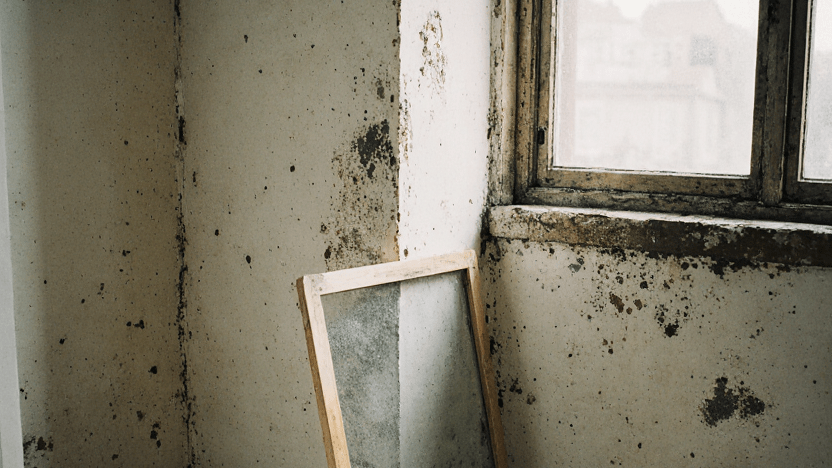
Mould begins to grow quickly in damp environments, releasing microscopic spores that spread through the air. These spores can trigger allergies, asthma attacks, and respiratory irritation, particularly in children and older adults.
Increased Dust Mite Populations
Dust mites thrive in humid conditions. After water damage, the elevated moisture levels create an ideal environment for their population to grow. These tiny pests are known allergens and can exacerbate indoor air quality problems.
Elevated Volatile Organic Compounds From Wet Materials
Wet building materials such as drywall, carpet, and adhesives can emit volatile organic compounds (VOCs) when they break down. These gases can cause headaches, dizziness, and other symptoms when inhaled over time.
Musty Odours Impacting Occupant Comfort
Musty smells are a sign that moisture has been absorbed into surfaces and has not been fully dried. These odours affect comfort and indicate a broader indoor air quality issue.
Health Risks Associated With Poor Indoor Air Quality

Respiratory Irritation And Asthma Flare-Ups
Inhaling mould spores and other airborne particles can irritate the lungs and exacerbate chronic respiratory conditions like asthma or bronchitis. These symptoms may worsen until moisture levels are reduced.
Allergic Reactions And Skin Sensitivities
Poor air quality can lead to increased allergic reactions such as sneezing, eye irritation, and rashes. Sensitive individuals may notice more frequent and intense symptoms in damp or mould-affected environments.
Compromised Immune Response In Vulnerable Groups
Elderly individuals, infants, and those with pre-existing health conditions are at greater risk. Prolonged exposure to poor indoor air quality can compromise their immune systems and increase the risk of infections.
Long-Term Exposure Concerns For Children And Elders
Consistent exposure to contaminated air during early childhood or later years may have lasting health effects. Proper moisture control is crucial to protecting these vulnerable populations.
Detecting And Measuring Contaminants Post-Damage
Using Air Sampling And Spore Traps
Professional-grade air testing tools such as spore traps and airborne particle samplers can help identify the presence of mould and other contaminants. These tools offer insight into unseen threats that may still be present even after cleanup.
Infrared Cameras For Hidden Moisture
Moisture that lingers behind walls and under floors can be located using infrared thermal cameras. These tools reveal temperature differences that indicate damp areas not visible to the naked eye.
Portable Particulate Counters
These handheld devices measure the amount of airborne dust, mould, and other fine particles. They are useful for tracking air quality before, during, and after remediation efforts.
Interpreting Canadian Guideline Thresholds
Canada has recommended thresholds for mould, VOCs, and particulate levels in indoor spaces. These guidelines help determine whether professional remediation is needed to restore air quality.
Effective Remediation And Air Purification Strategies
Professional Mould Remediation Protocols
Certified restoration professionals follow strict procedures to remove mould safely. This includes containment zones, HEPA-filtered vacuums, and disinfectant applications to kill spores and prevent regrowth.
HEPA Filtration And Negative-Air Machines
HEPA filters capture over 99 percent of airborne particles, including mould spores and dust. Negative-air machines use these filters to maintain air pressure that prevents contaminants from spreading to other parts of the building.
Dehumidification To Control Relative Humidity
Dehumidifiers reduce moisture levels in the air, making it harder for mould and bacteria to grow. Maintaining relative humidity between 30 and 50 percent is ideal for healthy indoor air.
Post-Remediation Verification And Air Testing
After cleanup, air quality should be retested to ensure that contaminants have been removed. Verification includes lab analysis of air samples and moisture readings to confirm success.
FAQ
Q: How Soon Can Mould Grow After A Leak?
Mould can begin growing within a couple of days in damp, warm conditions. Early intervention is key to limiting its spread.
Q: Will Standard HVAC Filters Capture Spores?
Most standard filters are not fine enough to trap mould spores. Upgrading to a HEPA-rated filter is necessary for effective spore capture.
Q: Are Portable Air Purifiers Effective Enough?
Yes, especially if they use HEPA filtration. For best results, choose a unit sized appropriately for the room and operate it continuously during recovery.
Q: What Does A Post-Remediation Clearance Test Involve?
It includes taking air samples to check for spores or VOCs and comparing the results to acceptable limits. Visual inspections and moisture readings may also be part of the process.
Q: How Much Does Professional Air Testing Cost?
Costs vary based on the size of the space and number of samples needed. It is best to get quotes from certified air quality professionals.
Q: Can Odour Absorbers Replace Proper Remediation?
No. While they may mask smells temporarily, they do not address the source of contamination or remove harmful particles from the air.
Q: Is Ozone Treatment Safe In Occupied Homes?
Ozone treatment should only be done in unoccupied spaces. Exposure to ozone can irritate the lungs and is not safe while people or pets are present.
Q: How Do I Know If Drywall Must Be Removed?
If drywall is soft, swollen, or discoloured, it likely needs to be replaced. Persistent musty odours or high moisture readings are also signs of hidden damage.
Q: Does Insurance Cover Air Quality Testing?
Some homeowner insurance policies include coverage for testing if it is part of water damage restoration. Always confirm with your insurer before proceeding.
Q: How Can I Prevent Future Air Quality Issues?
Fix leaks promptly, use dehumidifiers in damp areas, and maintain your HVAC system. Regular inspections can catch small issues before they escalate.
Conclusion
Water damage can quietly compromise indoor air quality, putting health and safety at risk. Recognising the warning signs, testing for contaminants, and following proven remediation strategies will help restore your space to a safe condition. By acting quickly and thoroughly, you protect not just your property, but also the well-being of everyone inside.
If you have any questions about our article “How Water Damage Affects Indoor Air Quality And How To Fix It” contact us at sales@brothers-equipment.com or chat with us on LiveChat or social media.