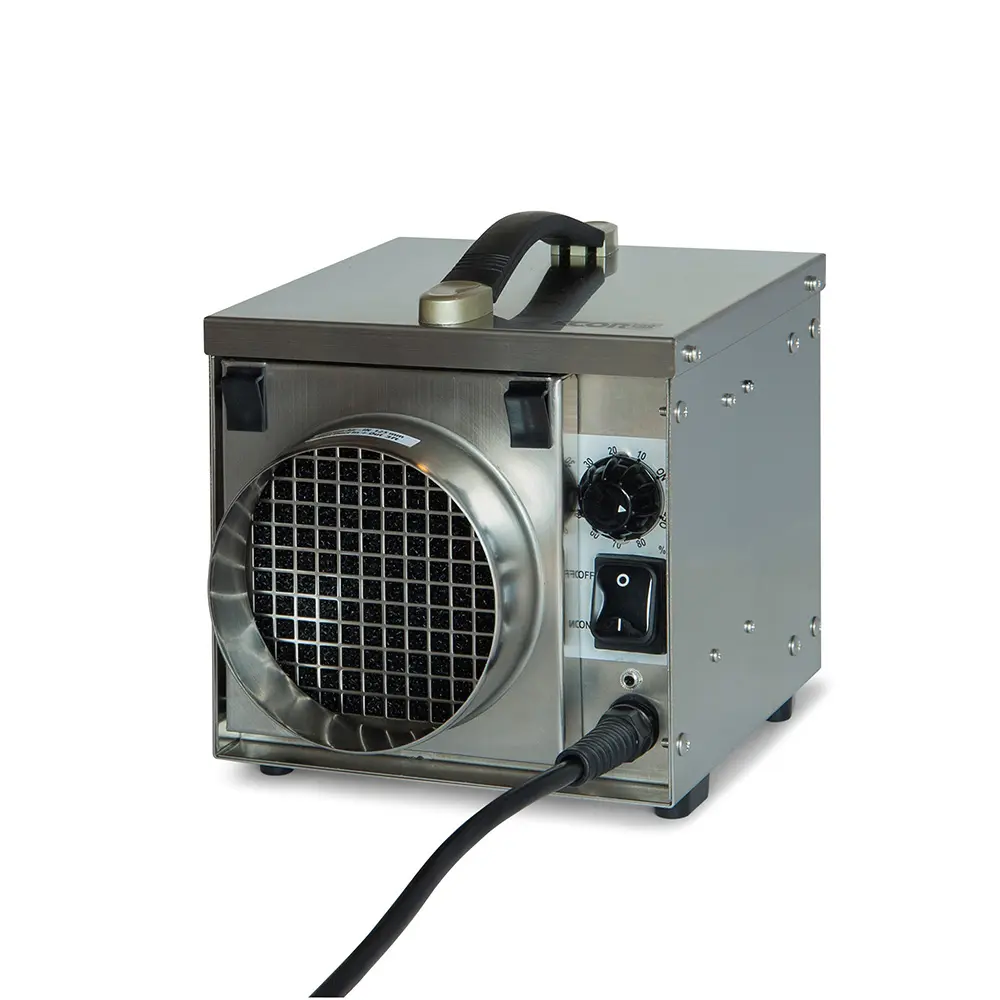
How To Choose The Right Dehumidifier For A Cannabis Grow Operation
By: Brothers Equipment And Supply
Humidity control is one of the most important and often misunderstood aspects of cannabis cultivation.
Whether you are operating a small home grow or a licensed commercial facility in Canada, choosing the right dehumidifier can directly impact plant health, yield, potency, and regulatory compliance.
Cannabis plants transpire large volumes of moisture, especially during flowering. Without proper humidity control, grow operations face mould, disease, inconsistent growth, and costly crop losses.
This guide explains how to choose the right dehumidifier for a cannabis grow operation, based on science, scale, and real-world grow-room conditions.
Cannabis plants release water vapour through transpiration. As plant size, canopy density, and irrigation increase, so does moisture in the air.
If humidity is not controlled, excess moisture accumulates and creates an ideal environment for mould and pathogens.
Research published by Agriculture and Agri-Food Canada shows that high humidity significantly increases the risk of fungal diseases in controlled-environment agriculture.
For cannabis, this risk is amplified due to dense flower structures that trap moisture.
Humidity also affects Vapour Pressure Deficit (VPD), which governs how efficiently plants transpire and uptake nutrients. Improper VPD can lead to nutrient deficiencies, slow growth, and reduced cannabinoid production.
Cannabis requires different humidity levels throughout its life cycle.
During the seedling and clone stage, relative humidity between 65 and 75 percent supports root development and reduces stress.
In the vegetative stage, ideal humidity ranges from 55 to 65 percent. This encourages vigorous growth while preventing excessive moisture buildup.
During flowering, humidity should be reduced to 40 to 50 percent. Lower humidity minimizes the risk of bud rot and powdery mildew, which are common causes of crop loss.
During drying and curing, humidity levels between 50 and 60 percent are critical for preserving terpene profiles and preventing mould growth.
High humidity is one of the leading causes of crop failure in cannabis operations. Powdery mildew and Botrytis cinerea, commonly known as bud rot, thrive in moist environments.
According to Health Canada, microbial contamination is one of the most common reasons cannabis products fail quality testing. Poor humidity control is a major contributing factor.
Excess humidity can also attract pests such as fungus gnats and spider mites. These pests thrive in damp conditions and can spread rapidly throughout a grow facility.
Refrigerant dehumidifiers, including Low Grain Refrigerant (LGR) models, are the most common choice for cannabis grow operations.
They are energy efficient and effective in warm, humid environments.
Desiccant dehumidifiers use moisture-absorbing materials and perform well in cooler temperatures. They are often used in drying rooms or facilities with lower ambient heat.
Whole-room dehumidifiers are designed for large-scale operations and integrate with HVAC systems. Portable units are more common in smaller grows but may require multiple units to manage moisture effectively.
Proper sizing is critical. Undersized dehumidifiers run continuously, consume excessive energy, and fail to maintain stable humidity levels.
Dehumidifier capacity is measured in litres per day. A single flowering cannabis plant can transpire up to 4 litres of water per day under optimal conditions. Large grow rooms with dense canopies can easily release hundreds of litres of moisture daily.
Lighting systems, irrigation frequency, and room temperature all affect moisture load. High-intensity lighting increases transpiration, while hydroponic systems introduce additional humidity.
Professional grow operations often require dehumidification capacity well beyond what residential units can provide.
Energy consumption is a major cost in cannabis cultivation. Dehumidifiers often run continuously during flowering.
Natural Resources Canada emphasizes the importance of energy-efficient equipment in controlled-environment agriculture. LGR dehumidifiers remove more moisture per kilowatt-hour than standard units, reducing long-term operating costs.
While high-capacity dehumidifiers have a higher upfront cost, they often pay for themselves through reduced energy use and lower crop loss risk.
Dehumidifiers generate heat as a byproduct. In grow rooms, excess heat increases cooling demands and energy costs.
Selecting a dehumidifier with lower heat output helps maintain stable temperatures and reduces HVAC strain. Sound levels may also matter in facilities where multiple units operate simultaneously.
Proper airflow integration ensures even humidity control throughout the canopy and prevents microclimates from forming.
Manual water removal is impractical in most grow operations. Continuous drainage is essential for medium and large facilities.
Modern dehumidifiers include built-in humidistats, remote sensors, and integration with environmental controllers. Automation improves consistency and helps maintain compliance with Health Canada regulations.
Data logging and environmental tracking are increasingly important for licensed producers.
Health Canada requires licensed cannabis producers to maintain controlled environments that prevent contamination. Humidity control plays a key role in meeting these standards.
Consistent humidity reduces microbial risk and helps ensure products pass testing. Dehumidification equipment should support record-keeping and repeatable environmental conditions.
Small home grows may rely on compact refrigerant dehumidifiers, though capacity must still match plant load.
Micro-cultivation facilities typically require commercial-grade portable or wall-mounted units.
Large-scale operations often use integrated dehumidification systems designed specifically for cannabis cultivation, with redundancy to prevent downtime.
Regular filter cleaning and coil maintenance are essential for performance and longevity. Commercial dehumidifiers are designed for serviceability, with accessible components and available replacement parts.
Neglecting maintenance reduces efficiency and increases the risk of equipment failure during critical growth phases.
One of the most common mistakes is undersizing equipment. Another is ignoring heat output, which can destabilize the grow environment.
Relying on residential dehumidifiers in commercial settings often leads to failure, higher costs, and inconsistent humidity control.
Choosing the right dehumidifier for a cannabis grow operation is a strategic decision that directly affects plant health, product quality, and operational efficiency. Proper sizing, energy efficiency, and automation are essential. Investing in the right equipment protects your crop, your compliance status, and your bottom line.
Why is humidity control so important in cannabis cultivation?
Humidity directly affects plant transpiration, disease risk, and cannabinoid development.
Can I use a residential dehumidifier in a grow room?
Residential units may work for very small grows but are usually inadequate for flowering cannabis rooms.
What humidity causes bud rot?
Bud rot commonly develops when humidity exceeds 55 percent during flowering.
How many litres per day should my dehumidifier remove?
This depends on plant count, canopy density, irrigation, and room temperature.
Are LGR dehumidifiers better for cannabis grows?
Yes. LGR units are more efficient and better suited for high-moisture environments.
Do dehumidifiers increase grow room temperature?
Yes. Heat output should be factored into HVAC planning.
Can poor humidity control cause failed lab tests?
Yes. High humidity increases microbial contamination risk.
Should dehumidifiers run 24/7?
During flowering, continuous operation is common to maintain stable conditions.
Is automation worth the cost?
Automation improves consistency, reduces labour, and supports compliance.
How often should dehumidifiers be maintained?
Filters should be checked weekly and coils cleaned regularly based on usage.
Tips On How To Buy A Desiccant Dehumidifier By: Brothers Equipment And Supply Choosing the…
Where To Buy Floor Carpet Fans: Must-Know Tips By: Brothers Equipment And Supply Floor carpet…
How Do I Improve Indoor Air Quality And What Can I Buy? By: Brothers Equipment…
10 Reasons Air Movers Are The Unsung Heroes Of Restoration By: Brothers Equipment & Supply…
Where to Find Water Damage Equipment In Toronto? By: Brothers Equipment And Supply Water damage…
Top Tips For Buying An Industrial Dehumidifier In Toronto By: Brothers Equipment And Supply If…