Home Flooded? Here’s How To Improve Indoor Air Quality
By: Brothers Equipment & Supply
Floodwater often contains soil bacteria, sewage, petroleum by-products, and fine sediments. As wet materials remain damp, mould can begin to grow within 24 to 48 hours, which elevates spore counts and odours.
Porous items that stay wet, such as drywall, insulation, and carpets, become reservoirs that release particles into the air long after visible water is gone.
Turn off electricity to affected areas before entry, and keep fuel burning equipment outside to prevent carbon monoxide build up.
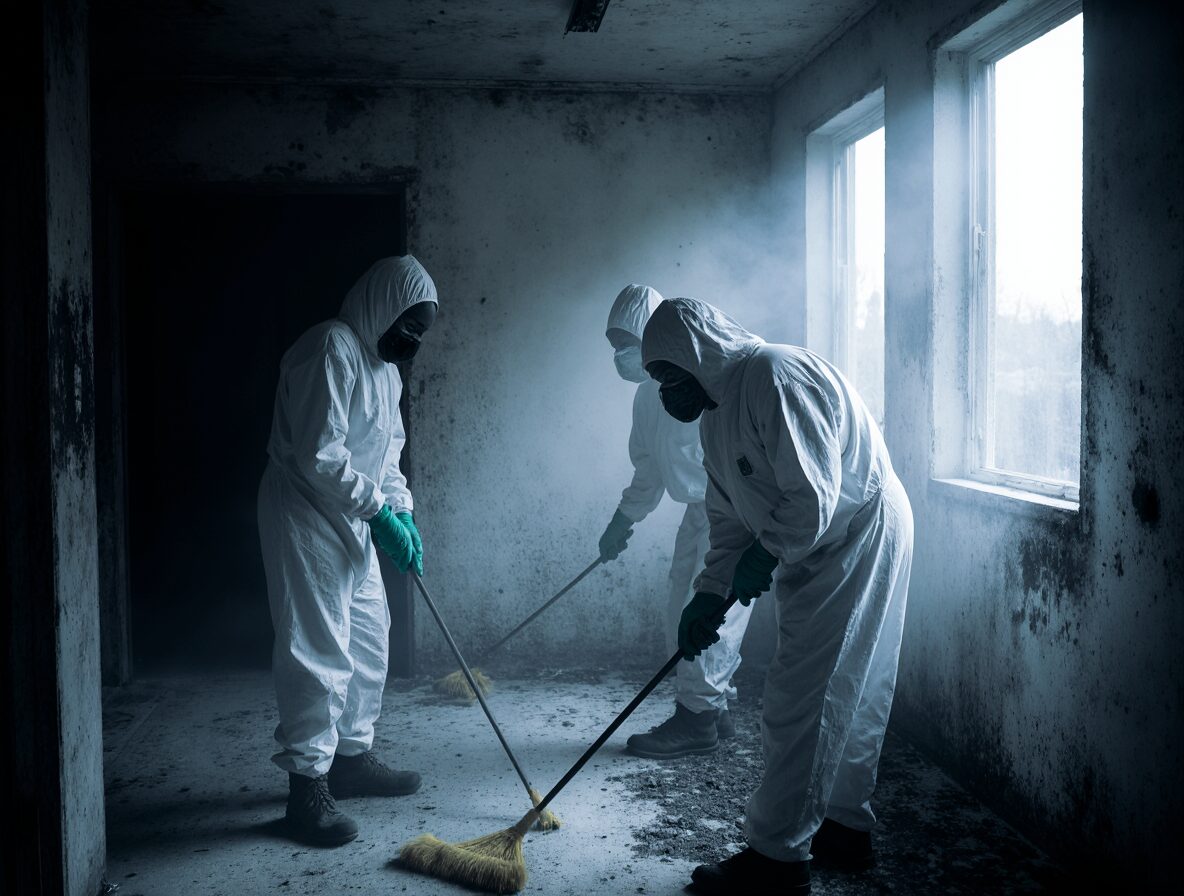
Wear gloves, eye protection, and at minimum a tight fitting respirator marked N95 or better, for long or dirty tasks many professionals use P100 filters. If floodwater touched fuel appliances or gas lines, have a licensed technician inspect equipment before use.
If there is structural movement, a strong sewage smell, or standing water that may be energised, leave and contact local authorities or a qualified contractor.
Limited entry for assessment is acceptable when power is off to the area, the air is reasonably clear, and you can maintain ventilation while you plan the work.
Pump or wet vacuum standing water, then remove saturated materials that cannot be cleaned, including drywall, fibreglass insulation, carpet pad, and composite wood that has swelled.
The faster you remove moisture, the lower the chance of widespread mould growth in wall cavities and subfloors.
Open windows and run box fans in safe weather to move fresh air across damp surfaces. Use mechanical ventilation to exhaust stale air outdoors, and add gentle heat to speed evaporation.
Avoid extreme heat that can warp wood, steady moderate warmth with airflow is more effective.
High efficiency particulate air filters capture at least 99.97 per cent of particles around 0.3 micrometres, which helps collect mould spores and fine debris released during demolition and cleaning.
Place portable units near work zones, seal doors to unaffected rooms, and keep filters running while you disturb materials.
Set portable dehumidifiers to hold indoor relative humidity near 40 to 50 per cent.
In very wet spaces, use multiple units, elevate them for better intake, and leave interior doors open to improve circulation. Use a simple hygrometer to confirm that humidity trends downward each day.
Clean water intrusions may allow more materials to be salvaged, while contaminated water requires more removal and disinfection.
Porous items that stayed wet beyond 24 to 48 hours are usually discarded, non porous items like metal, glass, and hard plastics can be cleaned and disinfected.
For hard, non porous surfaces, scrub with detergent and water, then apply a household disinfectant according to label directions.
If using unscented household bleach, prepare fresh solution for the day, for example one part bleach to nine parts water for surfaces, ventilate well, wear gloves, and never mix bleach with ammonia or acidic cleaners. Rinse where appropriate after the contact time on the label.
After cleaning, keep humidity below 50 per cent and continue ventilation for several days.
Before closing walls, confirm that wood framing is dry, many practitioners aim for about 15 to 19 per cent moisture content measured with a pin type meter.
If readings remain high, continue dehumidification and airflow until the structure stabilises.
Odour absorbers are temporary. Real improvement comes from removing wet materials, cleaning hard surfaces, drying cavities, and maintaining balanced ventilation.
Replace furnace filters more than once during recovery, fine debris and spores quickly load filters and reduce airflow.
Document rooms on a simple sketch and record daily humidity and material moisture readings.
Infrared spot checks can highlight cold, damp zones behind finishes, follow up with a moisture meter to confirm. Photographs of readings, cut lines, and cleaned areas create a clear record of progress.
Hire help when floodwater was contaminated, when damage spans multiple rooms or floors, or when anyone in the home is medically vulnerable.
Professionals bring high capacity drying equipment, air filtration, and moisture mapping tools, and they can coordinate safe demolition and rebuild sequencing.
Start a file immediately, include claim numbers, dates, and contacts. Photograph water lines on walls, stacks of removed materials, serial numbers on appliances, and receipts for pumps, fans, dehumidifiers, and cleaning supplies.
An itemised list with approximate values speeds review and helps you track replacement orders.
Re enter when standing water is gone, visible mould is removed, surfaces are cleaned and dry, and indoor relative humidity holds below 50 per cent for several days.
Air should smell neutral, not musty. Vulnerable occupants, such as infants, older adults, and those with respiratory conditions, should return after the space meets these conditions and remains stable.
Q: What Should I Do First To Improve Indoor Air After A Flood
Make the area safe, power off affected circuits, then begin ventilation and water removal. Set out fans and dehumidifiers as soon as standing water is gone, and remove soaked porous materials quickly.
Q: How Quickly Does Mould Start To Grow After A Flood
Mould can begin within 24 to 48 hours on damp materials. Early action, ventilation, drying, and removal of wet items, is the best prevention.
Q: What Humidity Level Should I Aim For During Drying
Keep indoor relative humidity near 40 to 50 per cent. In cold weather, the lower end helps cut condensation on windows and speeds structural drying.
Q: Do I Need A High Efficiency Particulate Air Filter If I Already Have Dehumidifiers
Yes, they do different jobs. Dehumidifiers lower moisture, high efficiency particulate air filtration captures airborne spores and fine dust generated during demolition and cleaning.
Q: Which Items Are Usually Not Salvageable
Wet drywall, fibreglass batt insulation, carpet padding, and deeply soaked pressed wood are generally discarded. Solid wood furniture can sometimes be saved if dried and cleaned quickly.
Q: Is Bleach Always Necessary For Cleaning After A Flood
Not always. Detergent and water followed by a labelled disinfectant is often sufficient for hard, non porous surfaces. If you choose unscented household bleach, never mix it with other cleaners, ventilate well, and follow label directions for contact time and dilution.
Q: How Do I Know When It Is Safe To Close Walls
Confirm that framing is dry, typically near 15 to 19 per cent moisture content, verify that humidity is stable below 50 per cent for several days, and ensure there is no visible mould or musty odour.
Q: Can I Use My Central Heating And Cooling During Drying
You can use it to maintain gentle heat and circulate air if the equipment and ducts were not flooded. Change filters frequently, and avoid spreading dust and spores into clean rooms.
Q: What Protective Gear Should I Wear During Cleanup
Use gloves, eye protection, and a tight fitting respirator rated N95 or better. Waterproof boots and disposable coveralls are helpful during demolition and when handling contaminated materials.
Q: When Should I Call A Professional For Air Quality Testing
If odours persist after thorough drying and cleaning, if mould returns, or if anyone has ongoing symptoms, consult a qualified indoor environmental professional. Testing should support a plan for further cleaning or repairs, not replace basic drying and source control.
Improving indoor air quality after flooding starts with safety, then moves quickly to water removal, ventilation, filtration, and steady dehumidification.
Remove wet, porous materials that cannot be cleaned, wash and disinfect hard surfaces, and keep humidity below 50 per cent while the structure dries.
Verify that framing and subfloors are dry before you rebuild, and use clean filters and balanced ventilation to maintain progress.
When the job is large or contamination is suspected, bring in qualified help, document each step, and return to occupied living only after the space is clean, dry, and odour free.
If you have any questions about our article “Home Flooded? Here’s How To Improve Indoor Air Quality” contact us at sales@brothers-equipment.com or chat with us on LiveChat or social media.
Tips On How To Buy A Desiccant Dehumidifier By: Brothers Equipment And Supply Choosing the…
How To Choose The Right Dehumidifier For A Cannabis Grow Operation By: Brothers Equipment And…
Where To Buy Floor Carpet Fans: Must-Know Tips By: Brothers Equipment And Supply Floor carpet…
How Do I Improve Indoor Air Quality And What Can I Buy? By: Brothers Equipment…
10 Reasons Air Movers Are The Unsung Heroes Of Restoration By: Brothers Equipment & Supply…
Where to Find Water Damage Equipment In Toronto? By: Brothers Equipment And Supply Water damage…