
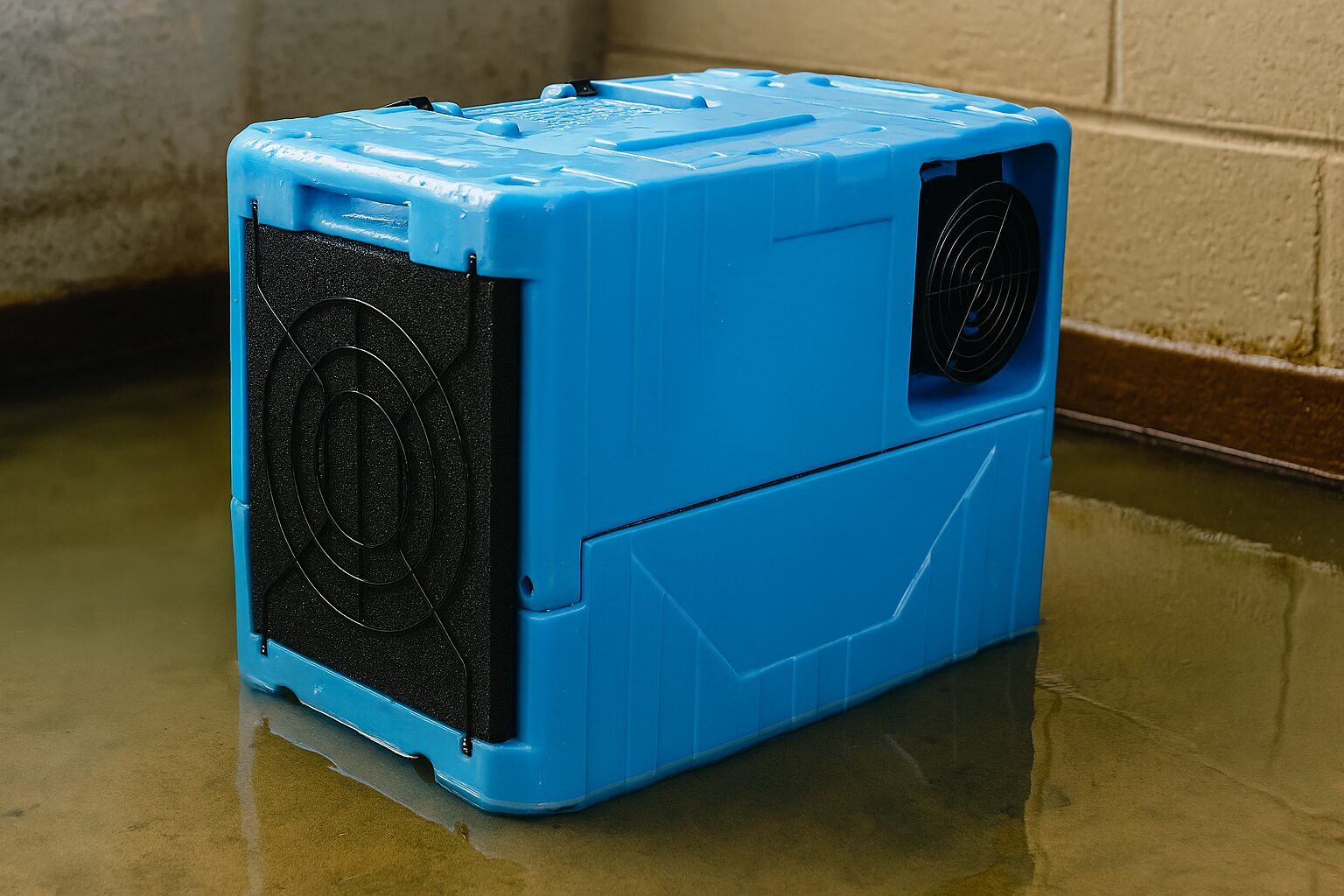
Best Practices For LGR Dehumidifier Placement
Best Practices For LGR Dehumidifier Placement
By: Brothers Equipment & Supply
Maximizing Results: Where To Place LGR Dehumidifiers After A Flood
When a flood strikes, time is your most valuable resource. Whether it’s a burst pipe in the winter or a summer storm that’s crept into your foundation, the aftermath can be devastating.
In Canada, water damage accounts for more than $2 billion in annual insured losses, and improper drying plays a major role in secondary damage like mould and structural rot (IBC, 2023).
Enter the Low Grain Refrigerant (LGR) dehumidifier — the unsung hero of flood recovery.
But it’s not just about owning one, where and how you place it can make all the difference between a quick, clean restoration and a long, mouldy mess.
Understanding LGR Dehumidifiers
LGR dehumidifiers are engineered to remove high volumes of water even when humidity levels start dropping — a point where traditional dehumidifiers lose efficiency. These machines pre-cool incoming air, condense moisture, and then reheat the air to continue the drying cycle.
Unlike regular dehumidifiers, LGR units:
- Operate efficiently at lower relative humidity levels (below 40%).
- Remove more moisture per kilowatt hour.
- Are ideal for large-scale drying after floods or pipe bursts.
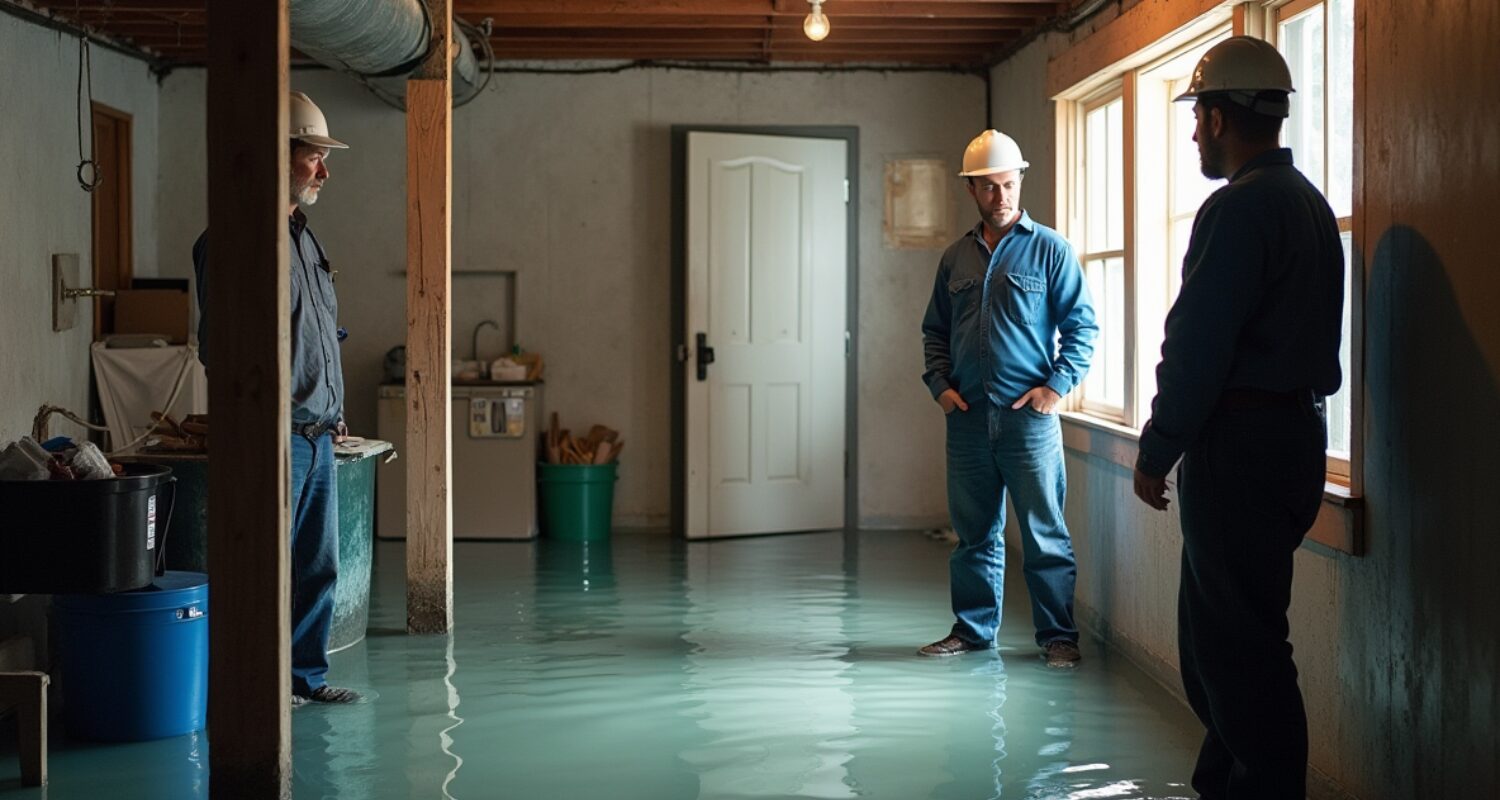
Why Placement Matters After A Flood
Moisture doesn’t just sit in puddles — it moves. Through vapour drive, it seeks equilibrium, spreading into drywall, wood, insulation, and even air pockets behind baseboards.
If your LGR dehumidifier isn’t placed effectively, you risk:
- Slower drying times
- Uneven moisture removal
- Hidden mould growth in areas you can’t see
- Extended equipment rental costs
Strategic placement ensures you’re capturing vapour as it evaporates, not after it’s already caused damage.
Centre The Unit In Open Spaces
This allows for even airflow and helps prevent the “dead zones” often found in corners or behind furniture.
Avoid Walls And Obstructions
Keep the intake and exhaust clear of obstructions. LGRs rely on air circulation — blocking them reduces their effectiveness.
Use Elevation In Basements
Placing the unit on milk crates or stands (if standing water is gone) improves airflow around the unit and avoids electrical hazards.
Position For Airflow Synergy
Use air movers at 45-degree angles directed toward wet materials and “push” moist air toward the LGR intake.
Use Triangulation For Large Rooms
In open-concept areas, placing multiple units in a triangular formation can help cover more volume and reduce drying time.
Rotate Units Every 12–24 Hours
As humidity levels change, the source of vapour shifts. Moving the unit ensures you’re always targeting the most saturated zones.
Dealing With Different Spaces
Basements
Basements are naturally more humid and typically the first to flood. Combine LGRs with sump pumps and fans, and monitor for condensation on windows or cold surfaces.
Crawlspaces
Use low-profile or ducted LGR units designed for tight spaces. Pair with desiccant dehumidifiers if temperature control is an issue.
Multi-Level Homes
Start at the lowest level. Moisture rises, and drying from the bottom ensures you’re capturing vapour before it enters upper floors.
Commercial Buildings
Break the space into zones. Use hygrometers to monitor each zone, and shift equipment based on moisture levels and room layout.
Monitoring And Adjusting Placement Over Time
Drying isn’t static. As materials release moisture, the environment changes.
Use:
- Hygrometers to track relative humidity.
- Moisture meters to check within walls and subfloors.
- Thermal imaging to find cold spots where moisture lingers.
If one area remains wet while others dry out, reposition the dehumidifier and adjust airflow.
Daily documentation is especially important for insurance purposes and can speed up claims processing.
Common Mistakes To Avoid
- Blocking airflow by placing units too close to walls or furniture
- Overloading rooms with too many dehumidifiers, which can lead to circuit overload or over-drying
- Ignoring temperature, since LGRs work best above 20°C (68°F)
- Neglecting drainage, especially in older homes or power outage-prone areas
Combining LGR Units With Other Equipment
An LGR dehumidifier is most effective when it’s part of the “drying triangle”: dehumidifiers, air movers, and heat.
- Air movers speed up evaporation by agitating wet surfaces.
- Heaters raise temperatures, making LGRs work more efficiently.
- HEPA filters help remove mould spores and airborne contaminants stirred up during drying.
In large jobs, use a mix of vertical and horizontal air movement strategies and balance air exchange rates to prevent pressure imbalances.
Conclusion
LGR dehumidifiers are powerhouse tools — but only if used strategically. Their placement can mean the difference between a successful recovery and long-term damage.
Whether you’re restoring a flooded basement in Ottawa or drying out a warehouse in Vancouver, following best practices will help you avoid hidden mould, warped floors, and wasted time.
When in doubt, consult a certified restoration professional trained in IICRC drying standards. And always monitor moisture daily — the air may feel dry, but the materials might still be soaking wet beneath the surface.
Frequently Asked Questions
Where should I place an LGR dehumidifier in a flooded basement?
Place it in the most open area away from walls and obstacles, ideally near the centre of the wet zone. Elevating it slightly helps with airflow and safety.
Can I use an LGR dehumidifier in a cold garage?
LGRs are less efficient below 18°C. If possible, add a portable heater to raise the temperature slightly or use desiccant dehumidifiers in colder environments.
How many dehumidifiers do I need after a flood?
This depends on the square footage, humidity levels, and building materials. One LGR dehumidifier typically covers 500–1,200 sq. ft. Consult a drying professional for a more accurate assessment.
What’s the difference between LGR and desiccant dehumidifiers?
LGRs use refrigeration to remove moisture and work best in warmer conditions. Desiccants absorb moisture chemically and work better in cold or low-humidity environments.
Do I need air movers with LGR units?
Yes. Air movers accelerate surface evaporation, allowing LGRs to collect more moisture from the air. They’re essential for efficient drying.
How long should I run the dehumidifier?
Typically 3–7 days, depending on moisture levels. Monitor progress daily with moisture meters and adjust placement as needed.
Can I place the unit upstairs to dry the whole house?
No. Moisture usually rises from lower levels. Start drying at the source — basements or ground floors — and work upward.
Will a household dehumidifier do the same job?
Not effectively. Household units lack the power and efficiency of commercial LGR units. They also don’t handle extreme saturation or humidity very well.
Should I keep doors open during the drying process?
It depends. For targeted drying, keep the doors closed. In large spaces or when using multiple units, controlled airflow between rooms can help.
Is professional placement necessary or can I DIY?
You can DIY with caution, but improper placement can cause more harm than good. For large or high-risk areas, always consult a professional.