 905-243-7435
How Do I Improve Indoor Air Quality And What Can I Buy?
How Do I Improve Indoor Air Quality And What Can I Buy?
By: Brothers Equipment & Supply
According to the Environmental Protection Agency (EPA), indoor air pollution is one of the top five environmental health risks.
Indoor air pollution is a significant concern since indoor air can be anywhere from two to five times more toxic than outdoor air.
The average North American and European spend as much as 90% of their time indoors, making indoor air quality critical.
In this article you will learn:
1. Tips on how to improve indoor air quality
2. Top products that’ll help you improve indoor air quality
3. Who is most vulnerable to poor indoor air quality
4. How much it costs to improve indoor air quality in residential and commercial buildings
5. What are the common causes of poor indoor air quality
Let’s get right into it!
What Are Some Tips & Practical Ways To Improve Indoor Air Quality?
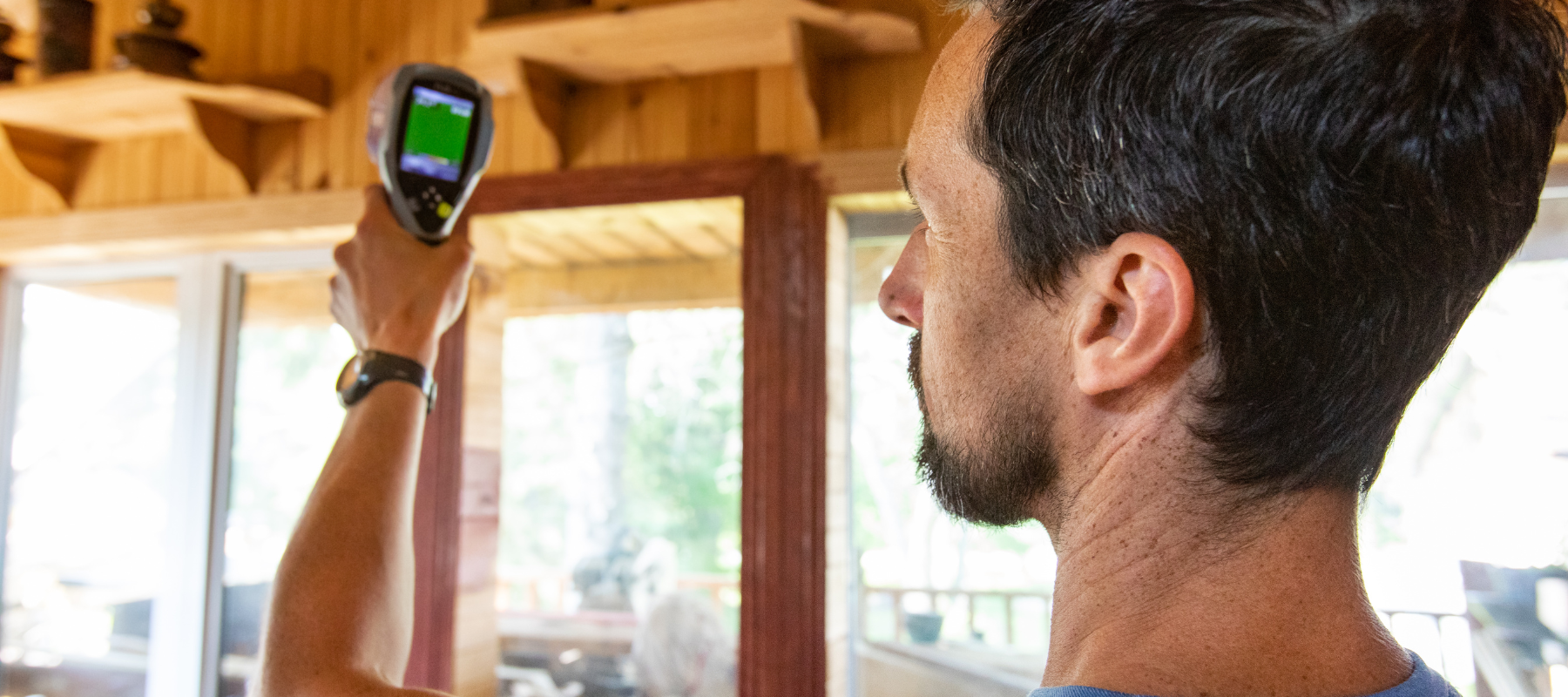
There are ways to improve air quality in your home.
First, there are house plants that naturally improve air quality in our homes. Secondly, you can use products that can help keep indoor air clean.
Here are some ideas that can help improve indoor air quality:
Improve Indoor Air Quality Tip 1: Utilize Plants for Air Purification
Consider using plants to improve your indoor air quality, as they can be a helpful tool for maintaining optimal air quality. It is advisable to choose low-maintenance plants that are effective at cleaning the air, such as peace lilies, ferns, snake plants, and Barberton daisies just to name a few.
Improve Indoor Air Quality Tip 2: Invest in an Air Purifier
Adding an air purifier to your home can significantly improve indoor air quality. Air purifiers are capable of removing dust and pollen, as well as filtering polluted air, releasing clean and fresh air. Some models even have a light to indicate optimal air quality.
Improve Indoor Air Quality Tip 3: Open Windows for Fresh Air
Opening your windows periodically is crucial for allowing fresh air to circulate in your home, even if you already have good indoor air quality. To avoid forgetting, you can schedule window-opening times and set reminders.
Improve Indoor Air Quality Tip 4: Maintain Your AC Filter
To maintain healthy indoor air quality, it is important to maintain your air conditioning filter regularly. Dust and particles accumulate in the filter over time, which can reduce the effectiveness of your AC and spread polluted air throughout your home. Consider hiring a professional to clean your filter if you are unsure how to do it.
Improve Indoor Air Quality Tip 5: Control Humidity Levels
Keeping humidity levels low is crucial for preventing the growth of mould and mildew, which can lead to respiratory problems. Dehumidifiers are a useful tool for maintaining low humidity levels, and there are many models available.
Improve Indoor Air Quality Tip 6: Use Cooking Vents
When cooking, make sure to use your cooking vents to remove harmful air pollutants and other particles, especially carbon monoxide.
Improve Indoor Air Quality Tip 7: Choose Non-Toxic Paint
Using non-toxic, water-based paint can prevent mould growth and condensation and improve indoor air quality.
Improve Indoor Air Quality Tip 8: Regularly Dust Your Home
Dusting your home at least once a week is crucial for removing dust particles that can significantly reduce indoor air quality, even with the use of air purifiers and plants.
Improve Indoor Air Quality Tip 9: Ban Smoking Inside Your Home
It’s simple: Ban all indoor smoking. Second-hand smoke is a great indoor pollutant and also one of the leading causes of death in the world. It’s a harmful health hazard for anyone living in the home, especially the elderly, children, and pregnant women.
Improve Indoor Air Quality Tip 10. Put Your Cooking Vents To Good Use
Use your cooking fans while cooking. This is mostly because of the carbon monoxide, which may come from your cooking appliance when turned on. So to keep your indoor air clean and free from harmful air pollutants and harmful particles, use your cooking fans and vents.
What Products Do You Recommend To Maintain High-Quality Indoor Air?
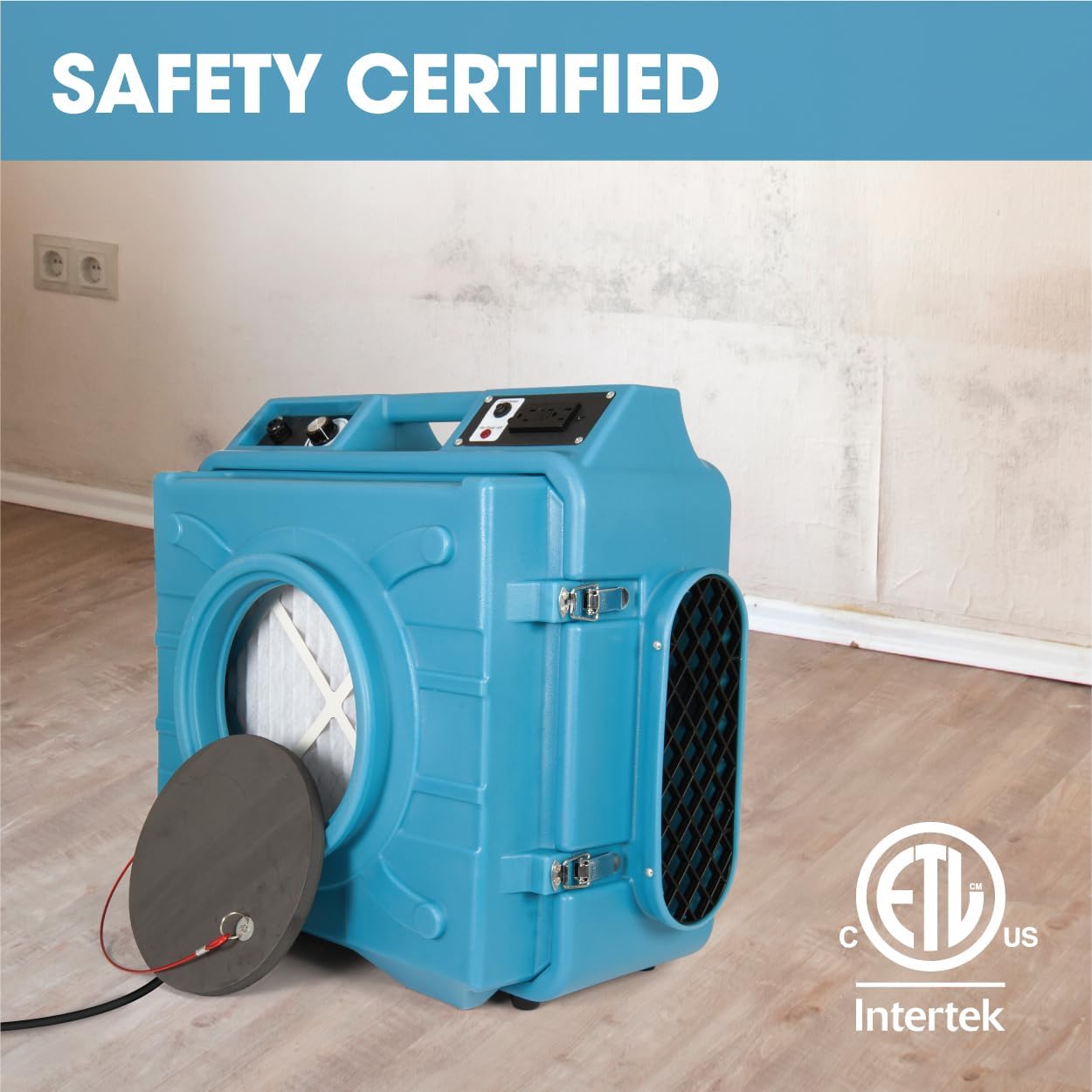
Products That Improve Indoor Air Quality: PURAERO HEPA Air Scrubber PA‑600
A powerful HEPA air scrubber like this is one of the best ways to clean indoor air after moisture or contamination issues.
These devices pull air through HEPA filters that can capture dust, mould spores, pollen, and other harmful particulates, helping dramatically improve air quality in spaces affected by water damage or construction.
HEPA scrubbers are commonly used in restoration and remediation because they remove microscopic particles that standard air moving doesn’t catch — ideal for allergy sufferers, homes with pets, or dusty build scenarios.
Products That Improve Indoor Air Quality: WEB Absorber Odour Control Air Filter
This is a type of medium-efficiency filter that captures dust, pollen, and pet dander-sized particles. This activated carbon-infused filter pad also controls household odours.
Products That Improve Indoor Air Quality: GermGuardian Pluggable UV-C Air Sanitizer and Odour Reducer
This gem works to provide cleaner and fresher air in your home using the pow.V-C light tech. It eliminates the growth of fungi, bacteria, mould spores, and viruses. It also is applicable to remove odours caused by smoke, laundry, and pets.
Products That Improve Indoor Air Quality: GermGuardian 11-Inch Table Top 3-in-1 Air Cleaning System
This features a high-efficiency particulate arrestance (HEPA) filter that captures 99 percent of dust and allergens, pet dander, mould spores, and plant pollens. Its charcoal filter works to remove unwanted odours from pets, smoking, and cooking and UC-V light technology, which is featured in the plug-in version, works to erradicate airborne bacteria, germs, and mould spores.
Products That Improve Indoor Air Quality: Honeywell True HEPA Allergen Remover
Improve indoor air quality with the Honeywell True HEPA Allergen Remover. It captures up to 99.97% of the microscopic particles that flow through the filters as well as larger airborne particles such as dust, pollen, smoke from tobacco, cooking, fireplaces, pet dander, and mould spores. It comes with an activated carbon prefilter, which lowers the levels of odours. As an added bonus, it comes with electronic controls, three settings as well as hourly timers.
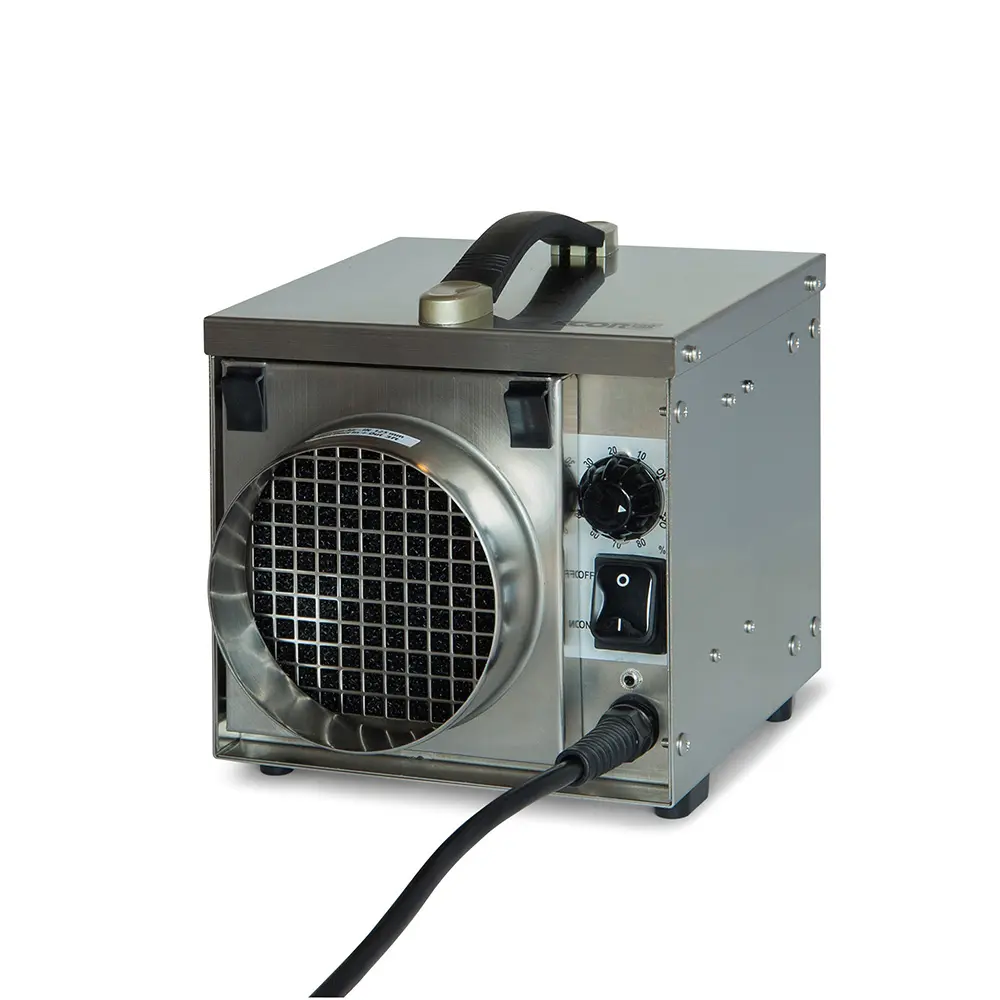
Products That Improve Indoor Air Quality: EcorPro Dehumidifiers
When it comes to keeping humidity levels low in highly likely wet spaces, unlike regular household dehumidifiers, the EPD30-PRO desiccant dehumidifier is the best option to keep kitchens and public washrooms dry and can be great for freezer ice production in maintaining humidity levels.
Who Is Most Vulnerable To Poor Indoor Air Quality?
1. Children
2. Elderly
3. People with pre-existing conditions with lung disease and asthma.
Pollutants in indoor air can trigger health problems, particularly for children, the elderly, as well as those with lung disease or asthma.
Even people outside of those demographics can suffer from symptoms like coughing, sneezing, headaches, and eye and throat irritation. The accumulation of pollutants in the body can lead to serious long-term health issues, such as respiratory disease and cancer.
What Are The Common Causes Of Poor Indoor Air Quality
Many Canadian buildings experience indoor air quality issues due to a combination of environmental and structural factors.
High humidity, insufficient ventilation, water damage, and outdated HVAC systems are among the most common contributors.
Modern construction techniques, while energy efficient, can trap pollutants indoors. Renovations, new furniture, and certain building materials can also release airborne chemicals that degrade air quality over time.
Indoor Air Quality Standards And Guidelines In Canada
Health Canada provides guidance on acceptable indoor air quality levels, including recommended humidity ranges and particulate limits.
While there are no universal federal laws mandating specific IAQ levels in private buildings, many commercial facilities follow best practices outlined by occupational health and safety authorities.
Maintaining indoor humidity between 30 and 50 percent is widely recommended to reduce mould growth and improve comfort.
Residential Indoor Air Quality Improvement Options
Air Purification Systems
Portable air purifiers are one of the most accessible ways to improve residential air quality. These units typically cost between $150 and $600 and are effective for individual rooms.
Whole-home air purification systems integrated into HVAC systems can range from $1,500 to $5,000 installed, depending on capacity and technology.
Ventilation Improvements
Heat Recovery Ventilators and Energy Recovery Ventilators are common in Canadian homes. Installation costs typically range from $2,500 to $6,000 and help introduce fresh air while maintaining energy efficiency.
Humidity Control
Dehumidifiers generally cost between $300 and $1,200 for residential use. Whole-home humidity control systems can exceed $2,000 but offer consistent moisture management.
Filtration Upgrades
High-efficiency furnace filters range from $50 to $200 per replacement cycle. HEPA add-on systems for HVAC units can cost $1,000 to $3,000 installed.
Commercial Indoor Air Quality Improvement Options
Commercial Air Scrubbers And Purifiers
HEPA air scrubbers designed for commercial spaces typically range from $1,500 to $5,000 per unit. Larger facilities may require multiple units to achieve effective air cleaning.
HVAC System Upgrades
Commercial HVAC upgrades vary widely but often start at $5,000 for filtration improvements and can exceed $50,000 for large-scale system upgrades.
Ventilation And Air Exchange Improvements
Improving fresh air intake and air exchange rates can cost between $3,000 and $20,000 depending on building size and complexity.
Moisture And Mould Control
Industrial dehumidification systems often range from $2,000 to $10,000 and are commonly used in basements, mechanical rooms, and high-moisture commercial environments.
Cost Breakdown For Improving Indoor Air Quality
Residential Cost Ranges
Basic improvements typically cost $300 to $1,000 and may include portable purifiers and filter upgrades. Mid-range solutions, such as ventilation and humidity control, usually fall between $2,000 and $6,000. Whole-home air quality systems can range from $7,000 to $15,000 or more.
Commercial Cost Ranges
Small commercial spaces may spend $3,000 to $10,000 on IAQ improvements. Medium to large buildings often invest $15,000 to $100,000 or more, depending on size, occupancy, and system requirements.
Factors That Influence Indoor Air Quality Improvement Costs
Costs are influenced by building size, existing infrastructure, occupancy levels, and the severity of air quality issues. Buildings that have experienced water damage or mould problems typically require more extensive remediation and filtration.
Return On Investment For Indoor Air Quality Improvements
Improving indoor air quality can reduce health-related complaints and improve comfort. In commercial settings, improved IAQ has been linked to productivity increases of several percentage points, according to workplace health studies.
Energy-efficient ventilation systems can also reduce heating and cooling costs over time, helping offset initial investments.
Indoor Air Quality After Water Damage Or Renovations
Water damage is one of the leading causes of long-term air quality problems. Without proper drying and filtration, moisture can lead to mould growth and persistent odours. Professional-grade air scrubbers and dehumidifiers are often necessary after water events.
Frequently Asked Questions
How Much Does It Cost To Improve Indoor Air Quality In A Home?
Costs typically range from a few hundred dollars for basic solutions to over $10,000 for whole-home systems.
Is Improving Indoor Air Quality Worth The Cost?
Yes, especially when considering health benefits, comfort, and long-term building protection.
What Is The Most Cost-Effective IAQ Upgrade?
Upgrading filters and controlling humidity often provide the fastest improvement for the lowest cost.
Do Commercial Buildings Require More Expensive Solutions?
Yes, due to size, occupancy, and ventilation requirements.
Can Poor Indoor Air Quality Affect Productivity?
Research shows improved air quality can positively impact focus and productivity.
How Long Do IAQ Improvements Last?
Most systems require ongoing maintenance but provide long-term benefits when properly managed.
Does Insurance Cover IAQ Improvements After Water Damage?
Coverage depends on the policy and cause of damage.
Can IAQ Be Improved Without HVAC Replacement?
Yes, many solutions integrate with existing systems.
How Quickly Can Indoor Air Quality Improve?
Improvements can be noticeable within days when effective solutions are installed.
Should I Hire A Professional For IAQ Improvements?
Professional assessment ensures proper system selection and performance.
If you have any questions about our article How Do I Improve Indoor Air Quality And What Can I Buy? or need equipment to improve indoor air quality feel free to call us at 1-416-912-2205 or chat with us in near real-time on social media.